
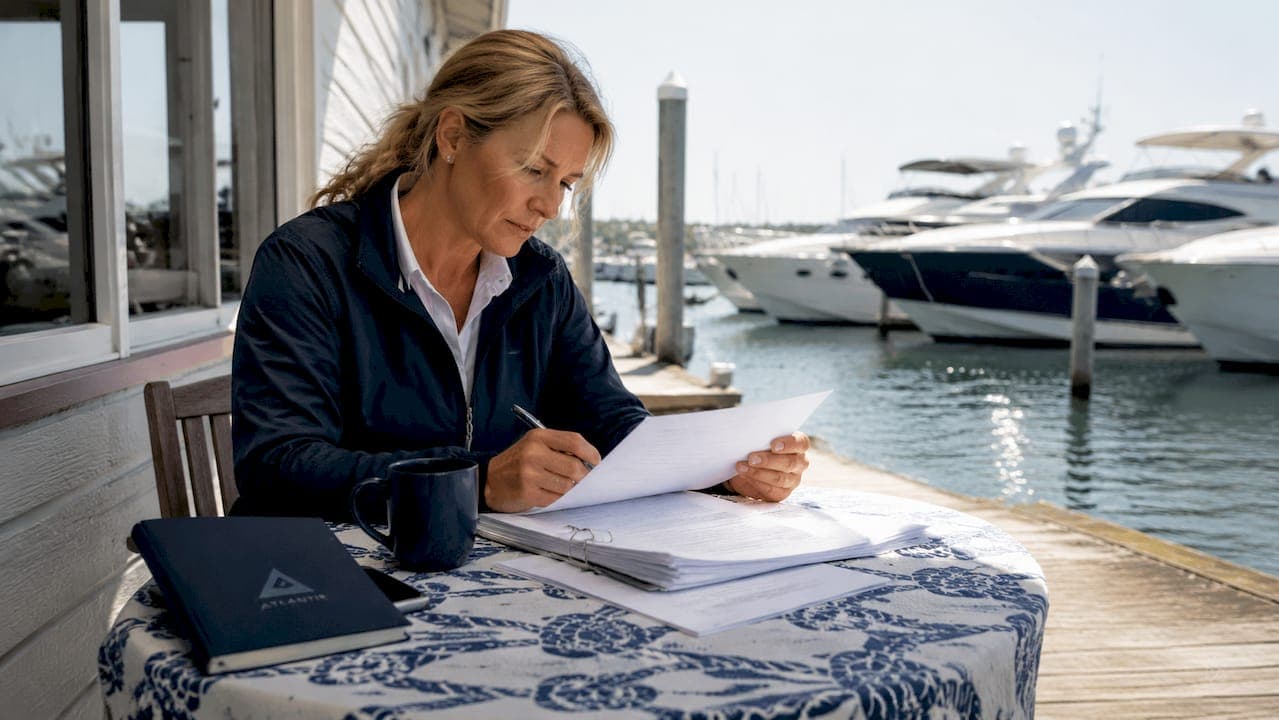
Marina staff coordination tools are platforms and methods that centralize and automate marina operational workflows to maximize staff efficiency and dock management accuracy. For dockmasters and marina operators, these tools cover everything from berth assignment and staff scheduling to real-time task alerts and shift handoff protocols. Without a connected system, teams fall back on clipboards, spreadsheets, and radio calls that create gaps in accountability and slow response times. Atlantis Marina represents the modern standard: a cloud-based platform that ties reservations, billing, maintenance, and staff communication into one operating system. Getting marina staff coordination tools explained correctly means understanding both the software layer and the workflow design behind it.
What core functions do marina staff coordination tools provide?
Marina staff coordination tools are defined by six core functions that cover the full operational cycle of a working dock. Dock scheduling platforms provide a single operational layer managing berth allocation, arrivals, departures, and dockside coordination. Role-specific access within these platforms improves operational speed and reduces errors across the team.
The six core functions are:
- Berth and slip assignment management: Assigns vessels to specific slips based on size, availability, and reservation status, eliminating double-bookings.
- Staff scheduling and role assignments: Allocates dock hands, check-in agents, and floaters to shifts based on expected vessel traffic and peak hours.
- Task management: Tracks service requests, fueling jobs, and maintenance work orders from creation to completion.
- Real-time dock occupancy tracking: Displays live slip status so staff always know what is open, occupied, or reserved.
- Role-based access and dashboards: Gives each team member a view tailored to their job, reducing information overload.
- Notification workflows: Triggers alerts when a task changes status, a vessel arrives, or a reservation is modified.
| Core function | Operational impact |
|---|---|
| Berth assignment management | Eliminates double-bookings and reduces slip conflicts |
| Staff scheduling | Matches labor to demand during peak and off-peak hours |
| Task and service tracking | Keeps maintenance and fueling jobs visible from start to finish |
| Real-time occupancy display | Gives staff instant dock status without radio checks |
| Role-based access | Reduces errors by showing each person only what they need |
| Automated notifications | Cuts response time when conditions or reservations change |
Pro Tip: Set role-based access permissions before your first live shift. A dock hand who sees billing data and a check-in agent who sees maintenance queues both slow down. Narrow each view to the tasks that role owns.
The marina operations dashboard in Atlantis Marina delivers all six of these functions from one screen. Dockmasters can monitor occupancy, assign tasks, and review reservations without switching between separate tools.
How do workflow design principles improve marina staff coordination?
Most coordination challenges come from workflow design, not from a lack of software. Operators relying on mental tracking and manual spreadsheets increase fragility and the risk of errors across every shift. Connected digital platforms replace these manual workarounds, improving accuracy and staff focus.
The design principle that matters most is centralization. Reservations, billing, and maintenance must link to the same data source before any software tool delivers real value. When these three data streams stay separate, staff spend time reconciling information instead of serving boaters.
Four workflow design principles that produce measurable results:
- Centralize data first: Connect reservations, billing, and maintenance records into one system before adding automation layers.
- Build trigger-based handoffs: Define the exact moment one role passes responsibility to another, such as a radio call the instant a boat is secured at the dock.
- Run structured pre-shift briefings: A five-minute review of daily departures, returns, and customer types sets the team up for a coordinated shift.
- Log end-of-shift notes digitally: Written shift summaries replace verbal handoffs that get forgotten or distorted.
Connected workflows that tie reservations, billing, and maintenance reduce manual work, improve visibility, and help teams act faster with fewer errors. Operators with integrated systems spend less time managing systems and more time on service and safety. That shift in focus is the real return on a well-designed workflow.
Pro Tip: Before selecting any staff coordination software, map your current handoff points on paper. Identify where information gets lost between roles. Fix those gaps in your process first, then choose tools that support the corrected workflow.
What digital tools and automation methods power marina coordination?
Modern marina staff coordination runs on four categories of digital tools: mobile task apps, QR self-service flows, automated occupancy detection, and financial platform integrations. Each category removes a specific type of manual work from the daily operation.
Mobile apps provide real-time task views and group job assignments for dock staff, enhancing on-the-move coordination. Mobile management improves responsiveness and reduces desk-bound delays. A dock hand who receives a fueling request on a mobile device can confirm, complete, and close the task without returning to the office.
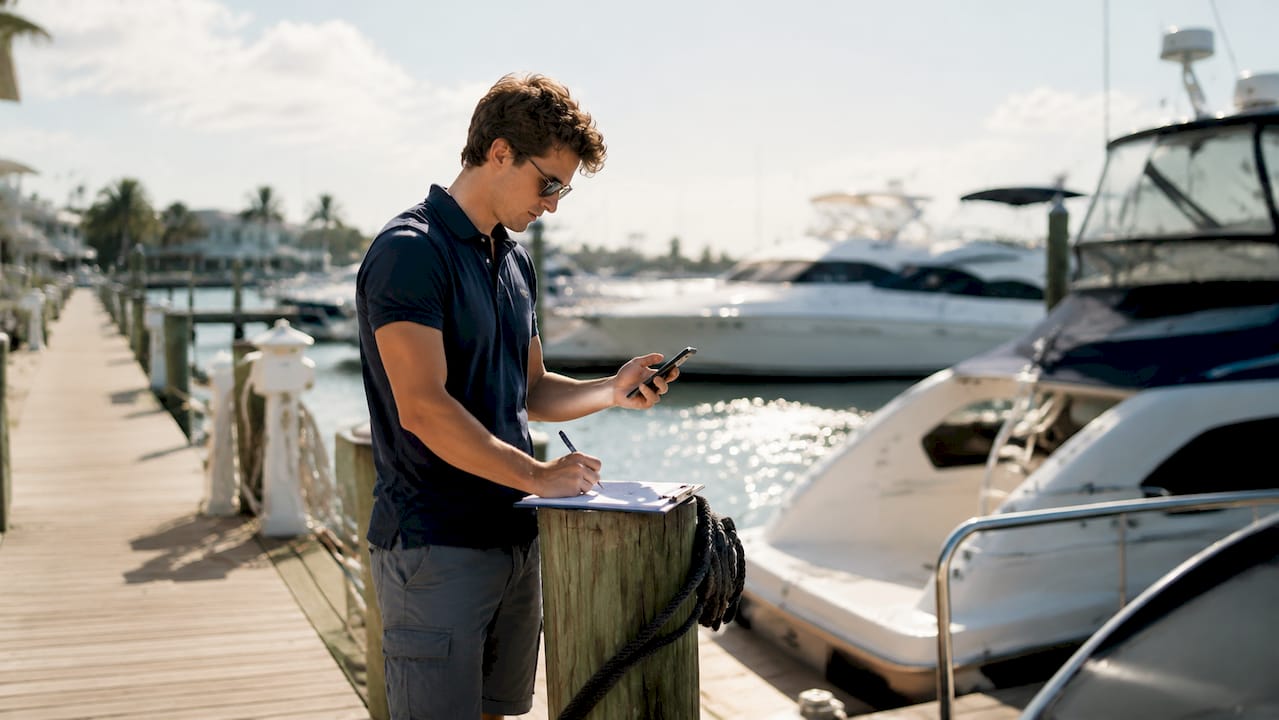
QR code workflows add speed to customer interactions. Boaters scan a QR code linked to their account, and staff immediately see the vessel record, reservation status, billing history, and uploaded documents. Atlantis Marina supports customer account QR codes and digital passes for check-in, POS transactions, and service interactions. This removes the manual search step that slows front-desk operations during busy arrival windows.
Automated berth occupancy detection is one of the most underused tools in marina operations. Real-time berth evaluation via image data takes under 30 seconds for facilities with 100 or more berths. That speed means a dockmaster can confirm slip availability in the time it takes to answer a phone call.
Financial platform integration closes the loop between dock operations and accounting. Middleware and API connectors enable export of marina financial data into accounting platforms, supporting automation. Scheduling syncs, incremental updates, and data validation features are critical for reliable export. When billing data flows automatically from the marina platform to the accounting system, staff stop re-entering numbers and start catching errors instead.
| Digital tool | Manual work removed | Coordination gain |
|---|---|---|
| Mobile task apps | Desk-bound job assignment | Dock staff act on tasks in real time |
| QR self-service flows | Manual account lookup | Staff access full customer context instantly |
| Automated occupancy detection | Visual slip checks | Slip status confirmed in under 30 seconds |
| Financial API integrations | Manual data re-entry | Billing flows directly to accounting platforms |
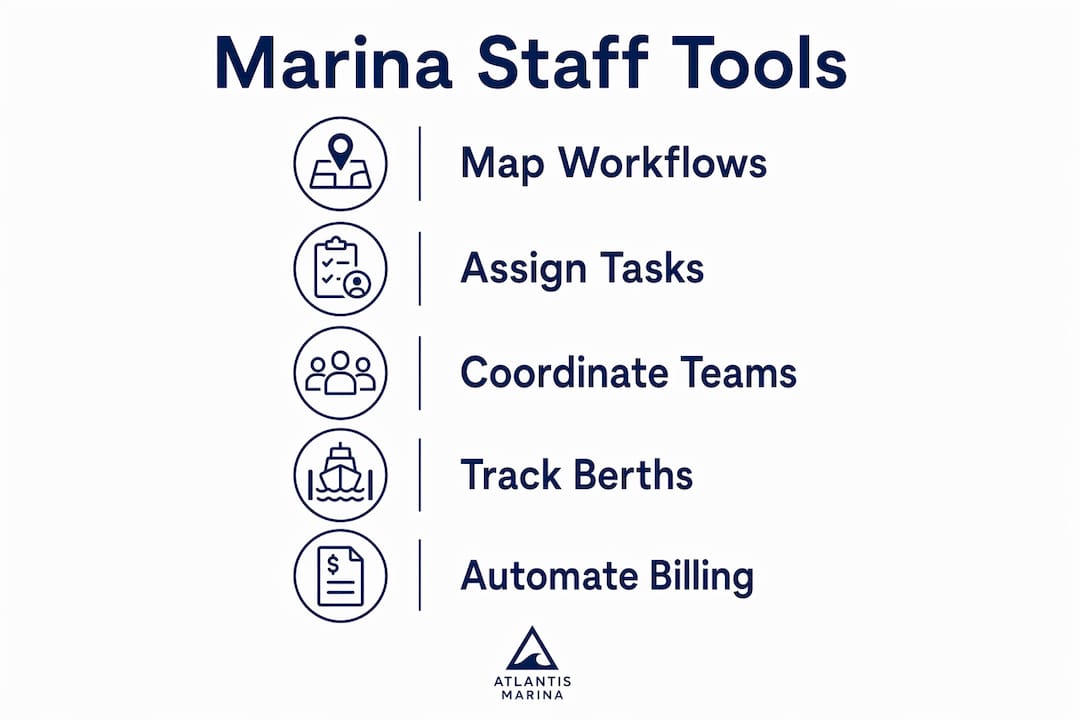
The dockmaster mobile management tools in Atlantis Marina combine task assignment, vessel records, and messaging in one mobile interface. Dockmasters can manage the dock from the dock, not from a desk.
What are best practices for daily marina staff coordination?
Daily coordination quality determines whether a marina runs smoothly or spends the day recovering from small failures. The following practices apply to any marina, regardless of size or software platform.
-
Run a mandatory five-minute pre-shift briefing. Review daily departures, returns, and customer types before the first boat moves. First-time renters need a five-minute safety briefing, while experienced renters need only three minutes. Knowing the mix in advance lets staff allocate time correctly.
-
Staff peak hours with at least three defined roles. Efficient peak-hour coordination requires a dock hand, a check-in agent, and a floater. Below four active vessels, one dock hand can handle fuel and staging. Above that threshold, the floater role prevents bottlenecks.
-
Use trigger-based handoff protocols. Formal trigger-based handoffs, such as a radio call when a boat is secured, prevent idle time and coordination failure points. Define the trigger, the action, and the receiving role in writing before the season starts.
-
Assign role-specific checklists. Each role gets a checklist tied to their responsibilities for that shift. Checklists remove the need to remember and reduce the chance that a task gets skipped during a busy arrival window.
-
Log shift notes digitally at the end of every shift. Written logs create a searchable record that the next shift can review in under two minutes. Verbal handoffs rely on memory and degrade quickly under pressure.
Pro Tip: Balance your pre-shift briefing time between repeat renters and first-timers. Repeat customers feel respected when staff recognize them. First-timers need the full safety briefing without feeling rushed. Knowing the day's customer mix before the shift starts makes both possible.
Key Takeaways
Effective marina staff coordination requires connected workflows, defined handoff protocols, and digital tools that give every role the right information at the right time.
| Point | Details |
|---|---|
| Centralize data before adding tools | Link reservations, billing, and maintenance into one system first. |
| Define trigger-based handoffs | Formal protocols, like a radio call on docking, prevent idle time and errors. |
| Staff peak hours with three roles | Dock hand, check-in agent, and floater cover the full coordination cycle. |
| Use mobile and QR tools | Mobile task apps and QR flows remove manual lookup and desk-bound delays. |
| Log every shift digitally | Written shift notes give the next team a two-minute briefing with full context. |
Why workflow design beats software selection every time
I have worked with marina operators who spent months evaluating software platforms and then launched with the same coordination problems they had before. The tools were good. The workflows were not. That pattern repeats itself more than the industry admits.
The uncomfortable truth about marina staff coordination is that technology does not fix a broken handoff. If your dock hand and check-in agent do not have a defined trigger for passing responsibility, adding a mobile app just means the confusion happens faster. The software surfaces the gap. It does not close it.
What I have found actually works is a two-phase approach. First, map every handoff point in your current operation and identify where information gets lost or delayed. Second, select tools that support the corrected workflow, not tools that promise to fix the workflow for you. Atlantis Marina is built for the second phase. It gives dockmasters a connected operations layer that makes a well-designed workflow faster and more visible. But the design work has to come first.
The marinas that get this right share one habit: they protect the human element by automating the repetitive tasks. When staff are not re-entering billing data or manually checking slip availability, they spend that time with boaters. That is where customer experience actually improves. Automation does not replace the dock hand greeting a first-time renter. It frees the dock hand to do it well.
Incremental adoption also matters more than most operators realize. Start with one connected workflow, run it for a full season, and measure the result before adding the next layer. Marinas that try to automate everything at once often end up with a complex system that staff work around instead of with.
— John R
How Atlantis Marina connects your staff coordination in one place
Marina operators who want to put these coordination principles into practice need a platform built for the full operational cycle, not a collection of separate tools.
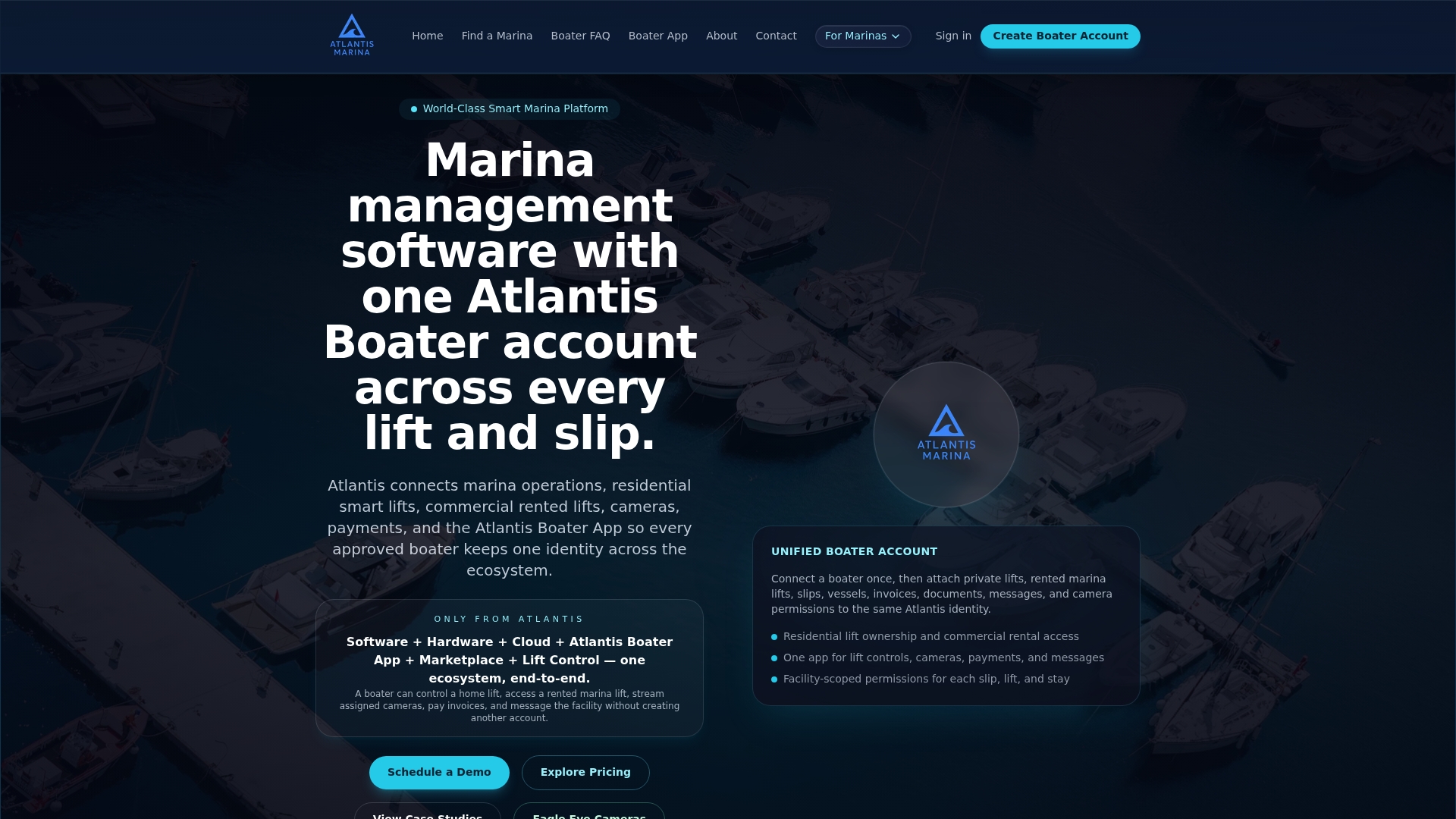
Atlantis Marina brings reservations, billing, task management, staff messaging, and dock occupancy into one cloud-based system. Dockmasters get a real-time operations dashboard that covers slip assignments, maintenance tracking, and customer records without switching screens. The platform supports mobile access, QR self-service flows, and automated notifications that match the workflow design principles covered in this article. For marinas ready to replace clipboards and spreadsheets with a connected operating system, the Atlantis Marina management platform is the place to start.
FAQ
What are marina staff coordination tools?
Marina staff coordination tools are digital platforms and workflow methods that centralize task management, staff scheduling, berth assignment, and real-time dock communication. They replace manual systems like spreadsheets and radio-only handoffs with connected, automated workflows.
How many staff roles does a marina need during peak hours?
Efficient peak-hour operations require at least three roles: a dock hand, a check-in agent, and a floater. Below four active vessels, one dock hand can manage fuel and staging tasks alone.
What is marina workflow automation?
Marina workflow automation is the use of trigger-based rules and connected software to complete routine tasks, such as sending a reservation confirmation or updating slip status, without manual staff input. It reduces errors and frees staff for direct customer service.
How do QR codes improve marina staff coordination?
QR codes link a boater's physical presence to their full digital account, including vessel records, reservation status, billing, and uploaded documents. Staff access this context instantly, removing the manual search step that slows check-in and service interactions.
Why do connected workflows matter more than individual software tools?
Operators with integrated systems spend less time managing data and more time on service and safety. Isolated tools create data gaps between reservations, billing, and maintenance that staff must bridge manually, which increases errors and slows response times.