
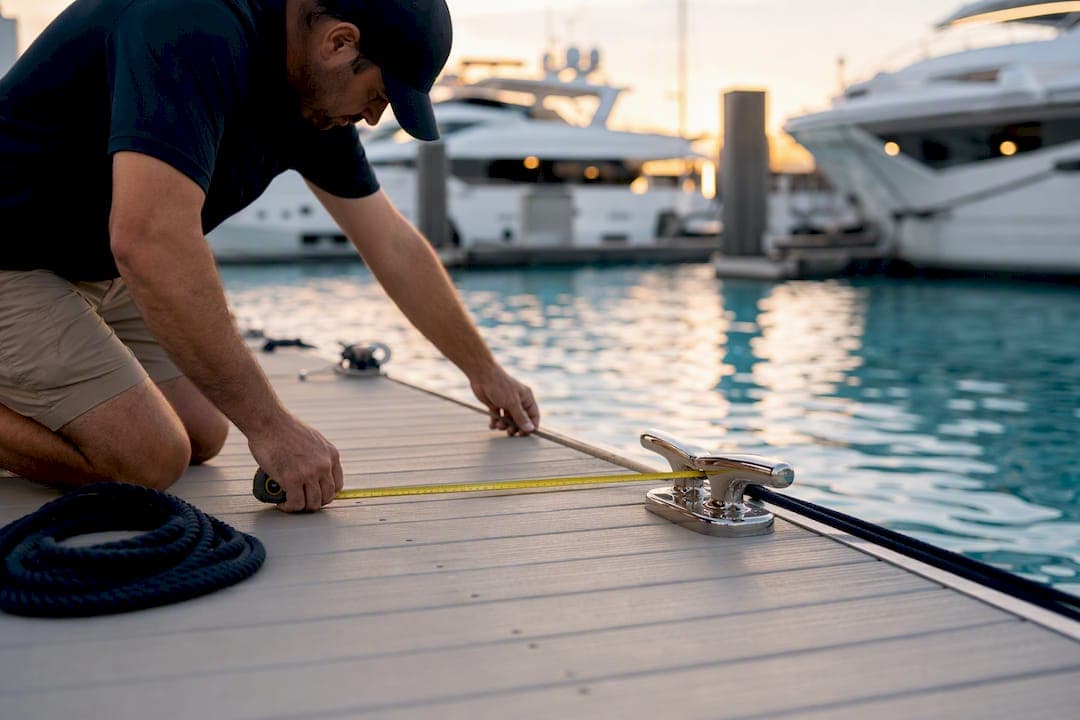
Best practice is to run tiered base rates by slip and boat characteristics, unbundle metered utilities, and apply seasonal or dynamic adjustments, then automate billing and analytics so pricing decisions stay consistent instead of ad hoc. Marinas that follow this framework price by size, location, and demand rather than a flat annual rate card, which is where most operators leave money on the table.
Four moves put this into practice right away:
- Set at least three or four rate tiers based on slip size, boat length, and features like end-tie or covered slips.
- Meter electricity separately rather than folding it into the base rate.
- Publish a clear overage policy so tenants know exactly what triggers an extra charge.
- Turn on autopay and digital contracts to cut billing errors and late payments.
Industry data backs the urgency here: 68% of marinas raised slip rental rates in a recent one-year window, and municipal rate sheets like Sacramento's slip rental schedule show just how wide the regional spread already is. A platform like Atlantis Marina exists to automate the billing and analytics side of this equation.
Key Takeaways
Slip rental pricing works best when tiered base rates, unbundled utilities, seasonal adjustments, and revenue-per-foot tracking operate together as one automated system rather than separate manual decisions.
| Point | Details |
|---|---|
| Price by tier, not flat rate | Set at least three or four tiers by slip size, boat length, and features like end-ties or covered slips. |
| Unbundle metered utilities | Charge electricity by amp tier and keep deposits at one to two months of base rent. |
| Use revenue per foot, not occupancy | Track dollars earned per linear foot weekly to catch underpriced slips occupancy hides. |
| Communicate increases early | Give tenants 60 to 90 days' notice with a specific rate and reason before renewal. |
| Automate enforcement with the right platform | Atlantis Marina's e-sign contracts, autopay, and dashboards apply tiers and overage rules consistently across every tenant. |
Table of Contents
- Slip Rental Pricing Models: Linear Foot, Slip Size, and Square Foot
- Utilities and Ancillaries: What to Bundle and What to Meter
- Seasonal and Dynamic Rate Adjustments That Capture Peak Demand
- Contracts, Overage Charges, and Enforcement That Protect Revenue
- KPIs That Actually Tell You How Pricing Is Performing
- Implementation Toolkit: Turning the Playbook Into Daily Operations
- Customer Segmentation and Tailored Pricing Strategies
- Communicating Pricing Changes Without Losing Tenants
- Discount and Promotional Strategies That Don't Erode Margin
- The Mistakes That Quietly Drain Marina Revenue
- Automate the Pricing Playbook Instead of Running It by Hand
- Sources
- FAQ
Slip Rental Pricing Models: Linear Foot, Slip Size, and Square Foot
Most marinas price by one of three methods, and picking the wrong one for your facility creates either lost revenue or constant tenant disputes.
Linear-foot pricing charges by the greater of boat length or slip length, typically expressed as a monthly or annual rate per foot. It's the industry default because it scales cleanly and is easy for boaters to compare across marinas. Slip-size pricing sets a flat rate per slip category (30-foot, 40-foot, 50-foot-plus) regardless of the boat's exact length, which simplifies billing but can undercharge owners with boats that barely fit. Square-foot pricing factors in both length and width, common at marinas with wide multihulls or catamarans that eat up more dock frontage than their length alone suggests.
Layer tiers on top of whichever model you choose. Covered slips typically carry a premium over open slips, end-ties command a markup for easier docking and better visibility, and side-to-side slips near the fuel dock or ship store often justify a location premium as well.
Regional benchmarking matters because rates vary enormously by market:
| Market Example | Rate Structure | Notes |
|---|---|---|
| Municipal marina (Sacramento) | Published per-foot monthly rate | Public rate sheet updated periodically |
| Private marina (San Diego) | Per-foot with metered electricity add-on | Line-item ancillary fees disclosed separately |
| Private marina (Florida) | Per-foot with end-tie and premium-slip surcharges | Premiums applied above base linear-foot rate |
The Sacramento municipal rate schedule and Pier 32 Marina's published rate sheet both illustrate how far per-foot pricing can swing based on location, amenities, and demand. Pull two or three comparable marinas in your own market and build your own version of this table before setting rates.
Utilities and Ancillaries: What to Bundle and What to Meter
Unbundling protects margin, but it only works if tenants see exactly what they're paying for. The safest rule: bundle low-variance amenities into the base rate, and meter anything that scales with boat size or usage.
- Meter electricity by amp service tier; heavy users on 100-amp service should pay more than a 30-amp sailboat.
- Charge pump-outs, dock boxes, and Wi-Fi upgrades as separate line items rather than folding them into rent.
- Set deposits at one to two months of base rent, which is standard practice across the industry and gives you a real cushion against damage or nonpayment.
- Break out liveaboard fees and storage fees explicitly, following the line-item approach used on Pier 32 Marina's rate sheet.
Clear, itemized invoices cut billing disputes dramatically. A platform that auto-generates itemized statements, like Atlantis Marina's billing tools, removes the guesswork tenants otherwise bring to the front office every month.
Seasonal and Dynamic Rate Adjustments That Capture Peak Demand
Static annual rates leave money on the table during peak boating season and scare off tenants during the slow months. Seasonal multipliers and modest dynamic adjustments fix both problems, provided you apply them with discipline.
- Set seasonal multipliers in advance. Publish summer and holiday-weekend rate increases months ahead so tenants can plan, rather than surprising them at check-in.
- Use event-driven surge pricing sparingly. A boat show or regatta weekend can justify a short-term rate bump, but keep the surge window narrow and clearly dated.
- Reward commitment with early-bird and loyalty pricing. A discount for signing a season contract by a set date locks in revenue before the season starts and rewards tenants who renew year over year.
Pairing surge pricing with loyalty offers tends to stabilize cash flow better than surge pricing alone, since it gives price-sensitive tenants a way to opt out of the volatility.
Pro Tip: Cap any single surge adjustment at a percentage you'd be comfortable explaining to a longtime tenant face to face. If the number feels hard to justify out loud, it's too high.
Contracts, Overage Charges, and Enforcement That Protect Revenue
A pricing strategy is only as good as the contract that enforces it. Vague language around boat length and overage charges is where marinas quietly lose revenue every season.
- Define overage rules explicitly: a common approach charges a flat $/ft surcharge once a boat exceeds slip length by a set margin, such as 3 feet or 10 percent, whichever the contract specifies.
- Require a physical measurement and slip inspection at move-in so there's no dispute later about actual boat length versus slip assignment.
- Publish the surcharge methodology directly in the contract itself rather than leaving it to a verbal understanding.
- Use digitized contracts and automated invoice adjustments so overage charges apply consistently across every tenant, not just the ones the office manager remembers to flag.
Digitized signing and automated billing enforcement removes the awkward, inconsistent conversations that come with manually chasing overage fees months after the fact.
KPIs That Actually Tell You How Pricing Is Performing
Revenue per foot solves this: it measures dollars earned per linear foot of dock space, which surfaces underpriced slips that a simple occupancy count hides entirely.
- Track revenue per foot weekly, broken out by slip tier, so staff can spot underperforming sections fast.
- Measure utilization alongside occupancy: a slip that's "occupied" by a boat paying a legacy rate from three years ago isn't performing the way a fresh market-rate tenant would.
- Use utilization data to identify which slip sizes are chronically underpriced relative to demand.
- Set a reporting cadence: weekly dashboards for staff, quarterly reviews for management, and one formal annual rate-setting session tied to market benchmarking.
Making revenue per foot a staff-facing metric turns pricing into something dockhands and office staff can act on day to day, not just a number finance reviews once a year. Small decisions, like assigning a compact boat to a smaller slip instead of a larger one, move that number immediately.
Implementation Toolkit: Turning the Playbook Into Daily Operations
A pricing framework only works if the systems behind it can execute it consistently. That means mapping each tactic above to an actual operational process, not just a spreadsheet update.
A practical rollout looks like this:
- Days 1 to 30: Audit current rates against slip tiers, boat lengths, and regional benchmarks; identify underpriced slips using revenue-per-foot data.
- Days 31 to 60: Rebuild tier structure, update contract templates with overage and measurement language, and unbundle metered utilities.
- Days 61 to 90: Turn on automated billing, e-signature contracts, and reporting dashboards; communicate changes to tenants ahead of renewal.
Software should carry the operational weight here. E-signature contracts remove ambiguity around overage terms, autopay through Stripe or ACH keeps collections predictable, and QuickBooks sync eliminates manual reconciliation. Occupancy and revenue-per-foot dashboards replace the spreadsheet guessing game entirely, and a self-service option, like the Atlantis Boater App, lets tenants review contracts, pay invoices, and message staff without another phone call to the office.
Pro Tip: Roll out rate tier changes at renewal, not mid-contract. Tenants accept price changes far more readily when they align with a natural decision point they were already expecting.
Customer Segmentation and Tailored Pricing Strategies
Not every tenant should be priced the same way, even within the same slip tier. A liveaboard tenant, a seasonal weekend sailor, and a commercial charter operator put different demands on your facility, and pricing should reflect that.
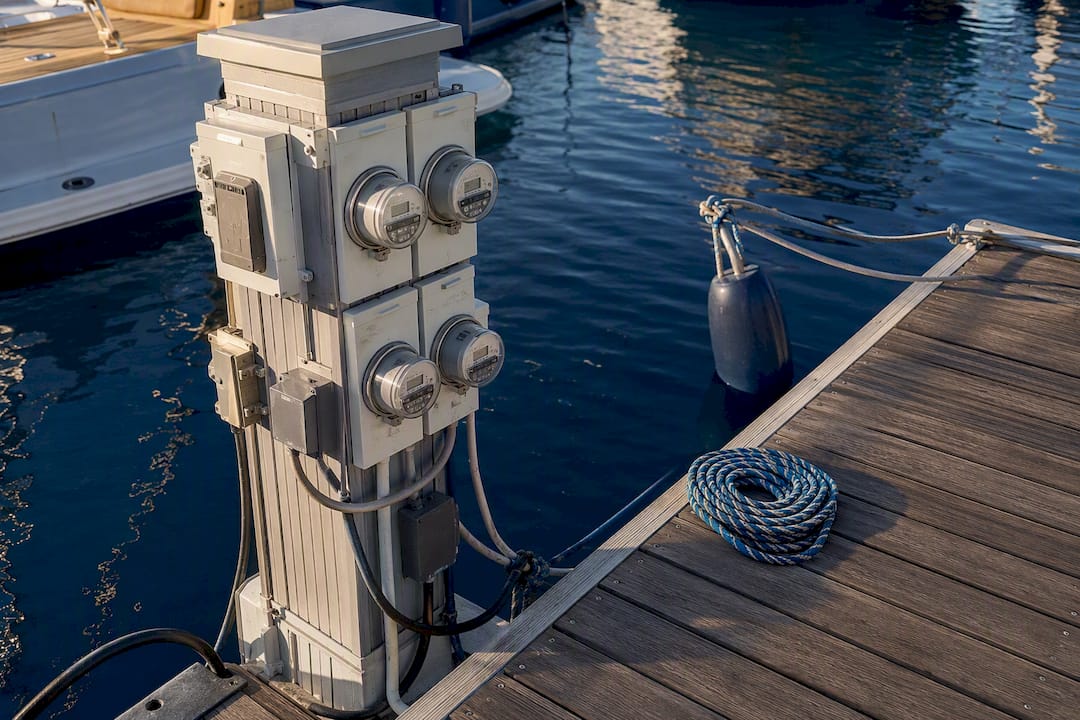
Liveaboards typically pay a monthly surcharge to cover higher utility use, trash volume, and parking demand, a line item you'll see itemized on rate sheets like Pier 32 Marina's. Transient boaters pay a premium nightly or weekly rate since they don't commit to annual contracts, and that premium should be meaningfully higher than your long-term monthly rate divided into daily increments. Seasonal tenants who sign for six or nine months instead of a full year should pay a modest premium over annual contract holders, since you're carrying vacancy risk for the off months.
Long-tenure tenants deserve a different conversation entirely. A boater who has rented the same slip for eight years represents low turnover risk and predictable revenue, and a loyalty rate or grandfathered increase cap can retain that tenant at a smaller margin sacrifice than losing them and re-marketing the slip. Commercial or charter operators generating foot traffic through your ship store or fuel dock can sometimes justify a negotiated rate given the ancillary revenue they bring, though this should be the exception, documented clearly, rather than an informal habit that spreads inconsistently across your office staff.
Segmenting this way isn't about charging some tenants more just because you can. It's about pricing risk, commitment, and facility impact accurately for each group.
Communicating Pricing Changes Without Losing Tenants
Rate increases land far better when tenants see them coming. A surprise invoice at renewal creates far more phone calls and cancellations than the same increase announced sixty or ninety days ahead of time.
Put the increase in writing, with the specific new rate and effective date, not a vague notice that rates "may change." Explain the reasoning briefly: rising utility costs, dock improvements, or market rate alignment all give tenants a reason beyond "because we can." Where possible, tie the announcement to something tangible you're delivering, whether that's a new fuel dock, updated Wi-Fi, or resurfaced docks, so the increase reads as connected to value rather than arbitrary.
Give tenants a clear channel to ask questions rather than leaving them to guess. A messaging feature built into a boater's account lets them raise concerns directly to staff instead of showing up at the office angry. Batch your notices by contract renewal date rather than sending one mass email to every tenant on the same day. Staggering the rollout keeps your office from getting overwhelmed with calls in a single week and lets staff give each tenant real attention.
Finally, train front-office staff on the same talking points before the notice goes out. Nothing undermines a rate increase faster than one staff member giving a different explanation than another when a tenant calls to ask why.
Discount and Promotional Strategies That Don't Erode Margin
Discounting slip rentals works when it buys you something specific: earlier commitment, longer contract terms, or filling a slip that would otherwise sit vacant. It backfires when it becomes a default negotiating tool every tenant learns to expect.
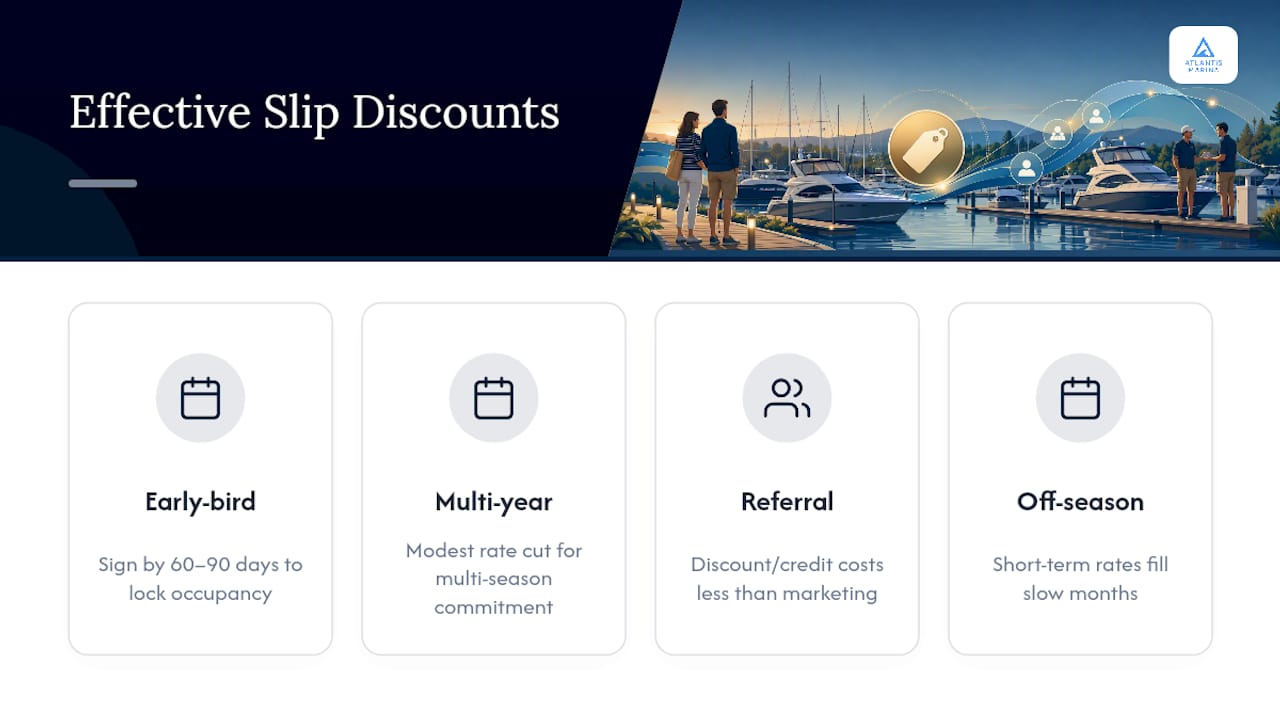
Early-bird discounts for signing a season contract by a set date, often 60 to 90 days before the season starts, lock in occupancy before your peak booking window opens. Multi-year contract discounts reward tenants willing to commit beyond a single season, trading a modest rate reduction for reduced turnover and vacancy risk. Referral incentives, a discount or credit for a tenant who brings in a new renter, cost you less than marketing spend and tend to bring in tenants who already fit your marina's culture.
Be careful with vacancy-driven discounts on chronically underused slips. A slip that never fills at full rate might be mispriced for its tier rather than in need of a permanent discount, so check your revenue-per-foot data before assuming a promotion is the fix. Off-season promotional rates for transient or short-term dockage can fill space during slow months without touching your standard annual contract pricing at all.
Whatever discount structure you choose, put an expiration date on it and track it separately from your base rate in your billing system. A discount that never sunsets quietly becomes your new base rate, and you'll lose the ability to measure whether the promotion actually worked.
The Mistakes That Quietly Drain Marina Revenue
The most common pricing failure isn't bad math, it's inertia: rates set years ago and never revisited against current demand. Close behind that is bundling electricity into base rent, which punishes light users and subsidizes heavy ones, and tracking occupancy instead of revenue per foot, which hides your worst-priced slips in plain sight.
Three moves to run this month: pull your revenue-per-foot numbers by tier, meter one utility you currently bundle, and schedule your first annual rate review on the calendar, not as a someday task.
Automate the Pricing Playbook Instead of Running It by Hand
Atlantis Marina gives you the billing, contract, and analytics infrastructure this entire playbook depends on, so tiered rates, metered utilities, and overage enforcement run automatically instead of relying on staff memory. Contracts get signed electronically with clear overage terms built in, autopay through Stripe and ACH keeps collections on schedule, and QuickBooks sync closes the loop on reconciliation without manual entry.
Revenue-per-foot dashboards replace the guesswork of occupancy-only reporting, flagging underpriced slips before they cost you a full season of margin. The Boater App gives tenants a self-service way to review contracts, pay invoices, and message staff directly, cutting down the phone calls that eat up office hours during rate-change season. If you're ready to see how this fits your marina's specific tier structure and contract needs, talk to the Atlantis Marina sales team about a walkthrough.
Sources
- Wet slip pricing and analytics: Why occupancy is a horrible metric | Marina Dock Age
- Slip rental - rates (City of Sacramento)
- Marina industry 2026 institutional threshold
- How to set the best price for your marina berth rental | Marina Match
- San Diego boat slips rates | Pier 32 Marina
FAQ
What is the best pricing model for slip rentals?
Linear-foot pricing is the industry standard because it scales cleanly with boat size, but tiering it by slip features like covered slips or end-ties typically performs better than a flat per-foot rate alone.
How much should a marina charge for a deposit?
Most marinas set deposits at one to two months of base rent, which is standard practice across the industry and provides a real cushion against damage or nonpayment.
Should electricity be included in the slip rental rate?
No, metering electricity separately by amp service tier protects margin better than bundling it, since heavy users on 100-amp service otherwise get subsidized by lighter users.
How often should marinas review slip rental rates?
An annual formal rate review tied to market benchmarking is standard, supported by weekly revenue-per-foot dashboards and quarterly management check-ins in between.
What KPI matters more than occupancy for slip pricing?
Revenue per foot matters more than occupancy because a fully occupied marina can still be underpriced; tracking dollars earned per linear foot surfaces slips priced below market.
How can software help enforce slip rental pricing policies?
A platform like Atlantis Marina automates overage enforcement, tiered billing, and contract signing so pricing rules apply consistently instead of depending on staff to catch every exception manually.