
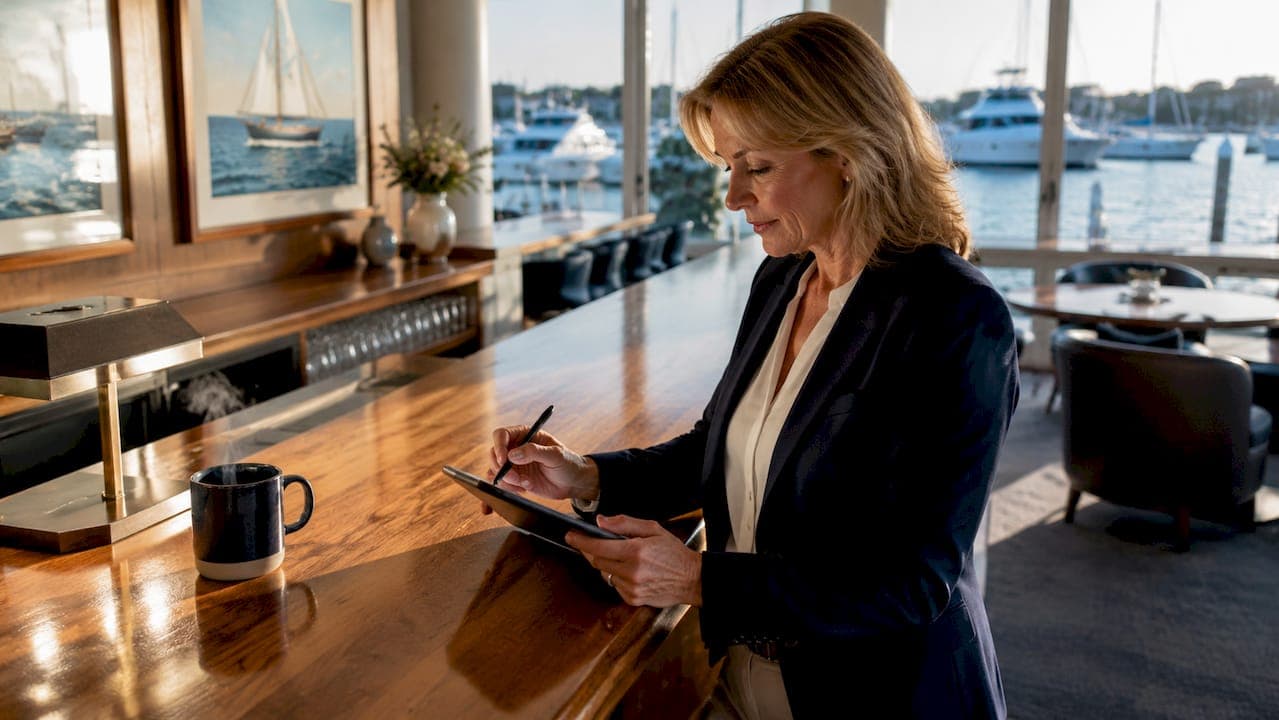
Yacht club member communication tools are digital platforms that centralize member information, enable targeted messaging, and deliver time-sensitive alerts to keep members informed and engaged. Clubs that rely on physical notice boards and email chains alone face a growing gap between what members need to know and what actually reaches them. Platforms like SailHQ and RationalGo have redefined how clubs handle everything from race postponements to committee governance, replacing fragmented workflows with a single, organized system. For managers overseeing dozens of volunteers and hundreds of members, the right digital communication platform is not a convenience. It is an operational necessity.
What features make yacht club communication tools effective for member engagement?
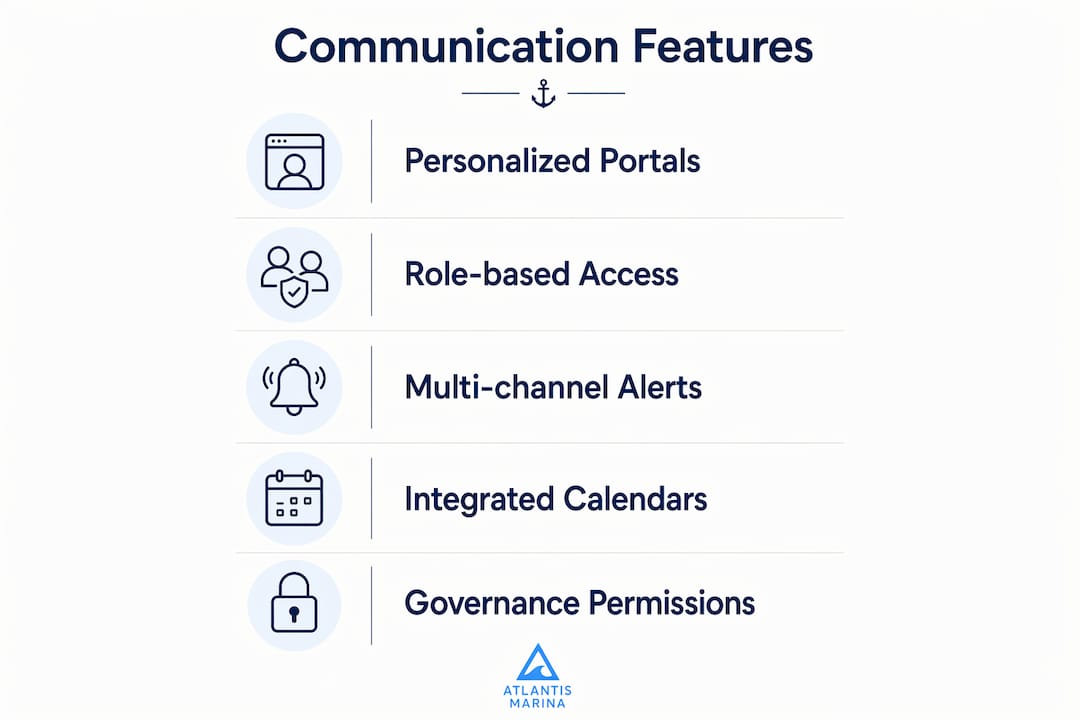
The most effective yacht club member communication tools combine member portals, role-based access, and multi-channel delivery into one platform. Each feature addresses a specific failure point in traditional club communication, and together they create a system that keeps members connected without overwhelming administrators.
Member portals with personalized dashboards
A well-designed member portal gives each member a personal view of the information that matters to them. SailHQ designs dashboards readable without training, making them accessible to cadets and senior commodores alike. That range matters because yacht clubs typically span four or five decades of members, and a portal that confuses older members or bores younger ones will go unused. Dashboards that surface upcoming duties, event registrations, boat details, and renewal reminders in one place reduce the number of emails a club needs to send and increase the likelihood that members actually act on the information.

Digital notice boards as a parallel channel
Physical notice boards still serve a purpose at the dock, but they reach only the members who walk past them. Digital portals act as a parallel channel, not a replacement, making announcements accessible to members who are traveling, working remotely, or simply docked at a different marina. This parallel model is particularly valuable for clubs with large transient or cruising fleets whose members are rarely on-site.
Integrated social calendars and event workflows
RationalGo offers features including social event calendars, flag officer voting, and monthly newsletters to deepen community involvement. Combining event sign-ups, race schedules, and committee elections in one platform removes the friction that causes members to disengage. When a member can register for the annual regatta dinner, check their duty roster, and vote in a flag officer election from the same screen, participation rates rise because the barrier to action drops.
Pro Tip: Configure your member portal so that the first screen a member sees after login shows their next duty, their nearest upcoming event, and any unread club announcements. This three-item dashboard approach reduces support requests and drives self-service engagement.
How do yacht club communication tools handle time-critical alerts?
Time-critical communication is where generic messaging apps fail yacht clubs entirely. A race officer needs to postpone a start because of a squall line. A harbor master needs to warn all berth holders about an incoming storm surge. These messages cannot wait for a weekly newsletter.
RationalGo integrates marine communications workflows that allow rapid, structured alerts alongside standard newsletters and bulletins. The distinction between broadcast-style emergency messaging and routine club updates is built into the platform architecture, not bolted on as an afterthought. This separation matters operationally. Mixing urgent safety alerts with social event announcements trains members to ignore notifications, which defeats the purpose of having an alert system at all.
The key capabilities that define a strong alert system for yacht clubs include:
- Push notifications to mobile devices that follow members off the dock and onto their phones, reaching them regardless of whether they are on the water or at home.
- VHF channel integration that connects digital alerts with traditional marine radio broadcasts, covering members who may not have their phones accessible while sailing.
- Broadcast-style group messaging that delivers a single urgent update to all members or a defined subset, such as all race participants or all berth holders in a specific dock section.
- Weather advisory feeds that pull storm warnings and tidal alerts directly into the club's notification system, reducing the manual effort required from race officers and dockmasters.
"Emergency communications in yacht clubs require integration with marine-specific channels like VHF alongside standard digital messaging to ensure timely delivery." — RationalGo
Clubs that configure smart marina alert systems for multiple alert types, including weather warnings and operational notifications, give their members a materially safer experience on the water. The investment in setup pays off the first time a storm warning reaches every member in under two minutes.
How do role-based permissions support yacht club governance?
Yacht clubs are governed by volunteers who rotate through committee roles annually. A communication platform that treats all users identically creates two problems: committee members cannot access the tools they need, and sensitive data gets exposed to members who should not see it. Role-based permissioning solves both problems at once.
SailHQ's permission flags include view, create, edit, and delete controls across domains like members, duties, events, and reports, customizable per role. This granular model reflects how yacht clubs actually operate. A Bar Manager needs to send announcements about bar hours but has no business viewing membership financial records. A Training Principal needs to manage cadet duty rosters but should not be editing race results.
The table below illustrates how permission levels map to common yacht club roles:
| Role | Typical permissions | Restricted from |
|---|---|---|
| Commodore | Full access across all domains | Nothing |
| Race Officer | Events, race results, duty rosters | Member financials, bar records |
| Training Principal | Cadet duties, training schedules | Race committee data, billing |
| Bar Manager | Bar announcements, event sign-ups | Member records, governance reports |
| General Member | View own profile, events, duties | All admin and committee data |
Custom roles for committees such as Sailing, Cruising, Training, and Bar management, each with tailored permission sets, allow clubs to mirror their actual governance structure inside the software. User-level overrides add a further layer of flexibility for situations where an individual member needs temporary access to a specific domain, such as a volunteer helping organize a one-off event.
Pro Tip: Audit your permission structure at the start of each sailing season when committee roles change. Outdated permissions are one of the most common sources of data exposure and member frustration in volunteer-run clubs.
What practical benefits do clubs see with automated communication tools?
The operational gains from automating yacht club communications are measurable across three areas: administrative efficiency, member experience, and safety outcomes.
- Reduced administrative overhead. Consolidating announcements, event sign-ups, and member queries into a single platform cuts the time club secretaries spend on repetitive data entry and follow-up emails. SailHQ and RationalGo both emphasize automation of newsletters, event notifications, and member data updates as core efficiency drivers.
- Improved member experience. Members receive personalized reminders for renewals, duties, and events rather than generic mass emails. This targeted delivery increases the relevance of every message and reduces the unsubscribe rate that plagues clubs relying on bulk email tools.
- Higher event participation. When event sign-ups are embedded in the same portal where members check their duty roster and race schedule, the friction of registering drops significantly. Clubs report stronger turnout for social events and volunteer roles when the call to action is one click away from information members are already reading.
- Enhanced operational safety. Push notifications for storm warnings and schedule changes reach members live on multiple channels, reducing the risk that a safety-critical update goes unseen. For clubs with active racing programs, this capability alone justifies the cost of a dedicated communication platform.
- Cleaner member data. Automated renewal reminders and online document submission, including insurance certificates and registration papers, keep member records current without requiring staff to chase individuals by phone.
Clubs that follow members onto their phones through mobile-first platforms see the strongest engagement gains, particularly among members under 40 who rarely check physical notice boards or read printed newsletters.
Key takeaways
Effective yacht club communication requires a platform that combines personalized member portals, governance-aware permissions, and marine-integrated alert systems to drive engagement and operational safety.
| Point | Details |
|---|---|
| Personalized member portals | Dashboards showing duties, events, and renewals drive self-service and reduce admin workload. |
| Parallel digital notice boards | Digital channels supplement physical boards, reaching members who are off-site or traveling. |
| Marine-integrated alert systems | VHF integration and push notifications deliver safety-critical updates faster than email alone. |
| Role-based permissions | Granular access controls protect sensitive data while giving committee members the tools they need. |
| Automation reduces overhead | Automated newsletters, reminders, and event workflows free club secretaries for higher-value tasks. |
Why most clubs underestimate the governance layer
After working with marina and yacht club operations across different fleet sizes and membership structures, one pattern stands out clearly: clubs spend most of their evaluation time comparing notification features and calendar integrations, and almost no time thinking about permissions architecture. That is exactly backwards.
The notification features are easy to demo and easy to compare. The permissions model is where platforms either fit how your club actually runs or create a slow-burning administrative problem. Volunteer-run clubs rotate committee roles every season. If your platform cannot mirror that rotation cleanly, you will spend more time managing software access than you save on communications.
The other underrated factor is mobile accessibility across age groups. A platform that works beautifully for a 35-year-old race officer but confuses a 68-year-old rear commodore will create a two-tier club where digital communication reaches only part of your membership. The best platforms, including SailHQ's approach of designing dashboards readable without training, solve this by prioritizing clarity over feature density.
My practical recommendation: run a phased rollout. Start with the member portal and event calendar in month one. Add push notifications and duty management in month two. Reserve the full permissions configuration for month three, once your committee leads have hands-on experience with the system. Clubs that try to activate everything at once typically see low adoption in the first 90 days, which poisons the perception of the platform before it has a fair chance to prove its value.
— John
How Atlantis-marina supports yacht club communication and operations
Yacht clubs that want integrated communication alongside full marina operations management should look at what Atlantis-marina offers as a unified platform. Atlantis-marina combines member communication workflows, slip management, billing, and mobile alerts in one cloud-based system built for marinas and private yacht clubs of all sizes.
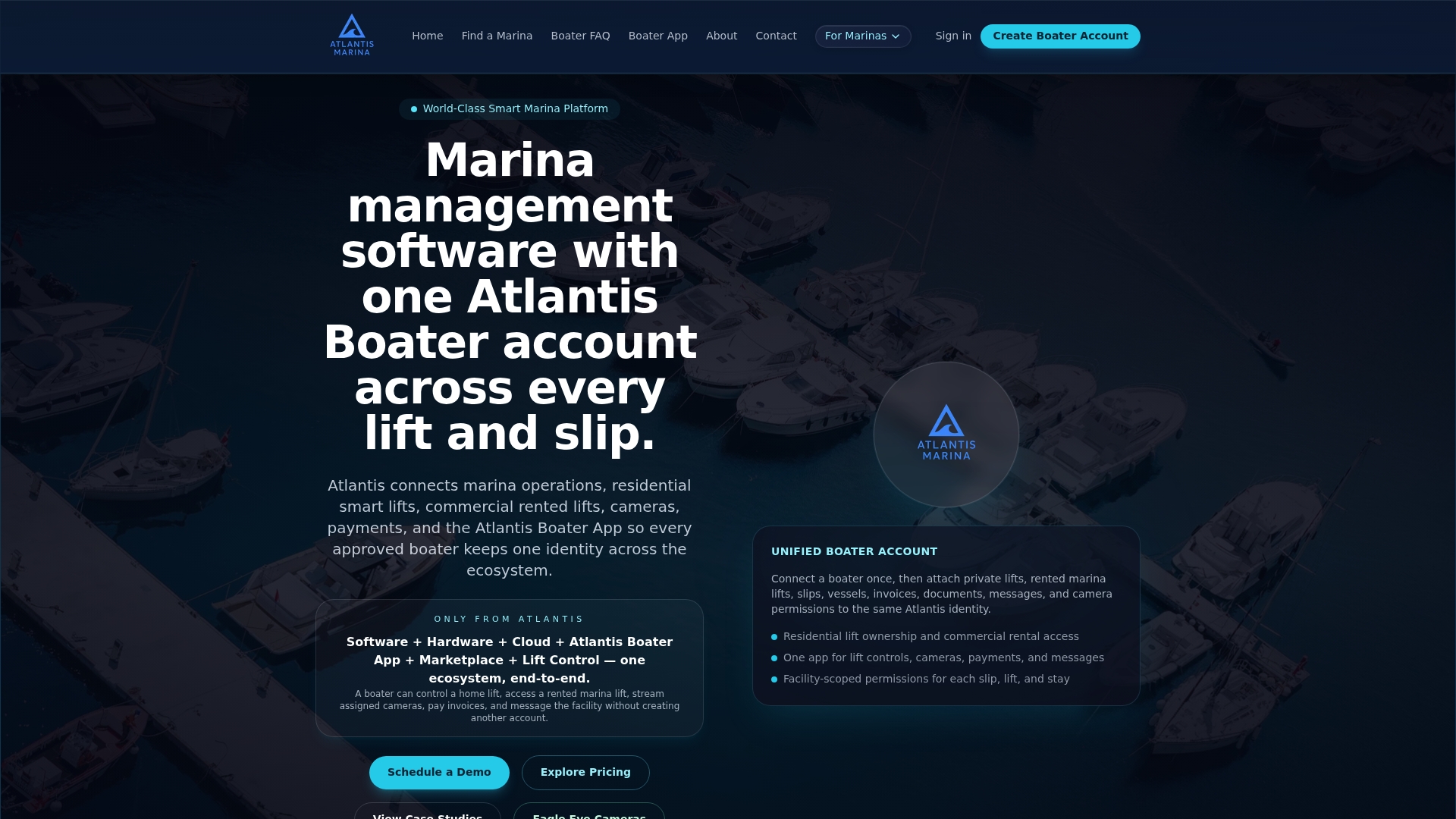
The platform supports tenant communications, service requests, and mobile notifications from a single operations dashboard, giving dockmasters and club managers real-time visibility without switching between tools. For clubs ready to move beyond fragmented email and paper-based workflows, the marina management software from Atlantis-marina provides a practical path to modern, connected club operations. Clubs can also explore the marina management solution for a detailed look at the full feature set before committing.
FAQ
What are yacht club member communication tools?
Yacht club member communication tools are digital platforms that centralize member data, deliver targeted announcements, and support time-critical alerts for events, weather, and governance. Platforms like SailHQ and RationalGo are purpose-built examples designed for the specific operational needs of sailing clubs.
How do push notifications improve yacht club safety?
Push notifications deliver storm warnings, race postponements, and harbor master notices directly to members' phones, reaching them faster than email or physical notice boards. RationalGo integrates VHF channel monitoring alongside push alerts to cover members who may be on the water without phone access.
Why do yacht clubs need role-based permissions in their communication software?
Yacht clubs rotate volunteer committee roles annually, and each role requires different levels of data access. Role-based permissions protect sensitive member and financial data while giving committee members like race officers and training principals the specific tools they need without exposing unrelated records.
Can communication apps for yacht clubs replace physical notice boards?
Digital communication platforms are designed as a parallel channel to physical notice boards, not a replacement. SailHQ explicitly positions its member portal this way, recognizing that on-site boards still serve members who are present at the club while digital channels reach those who are off-site.
What should yacht club managers prioritize when selecting a communication platform?
Prioritize mobile accessibility across all member age groups, governance-aware permissions that mirror your committee structure, and alert capabilities that integrate with marine communication channels. A phased implementation approach, starting with the member portal before activating full permissions and alert configurations, produces the strongest adoption outcomes.