

Customer communication tools for marinas are software and technology solutions designed to automate bookings, deliver real-time messaging, and connect boaters with marina staff across multiple channels. The right mix of these tools directly determines booking conversion rates, customer retention, and how efficiently your team handles daily operations. Marinas running fragmented systems, phone-only intake, or manual follow-ups lose leads every day to competitors with faster, more connected workflows. This guide covers the 10 most effective tool categories, how to compare them, and how to implement them without overwhelming your staff.
1. the best customer communication tools for marinas
The marina industry uses a specific category of software often called marina management communication tools or marina client engagement platforms. These range from AI receptionists to full-suite management platforms. Here are the 10 tool types every marina operator should know.
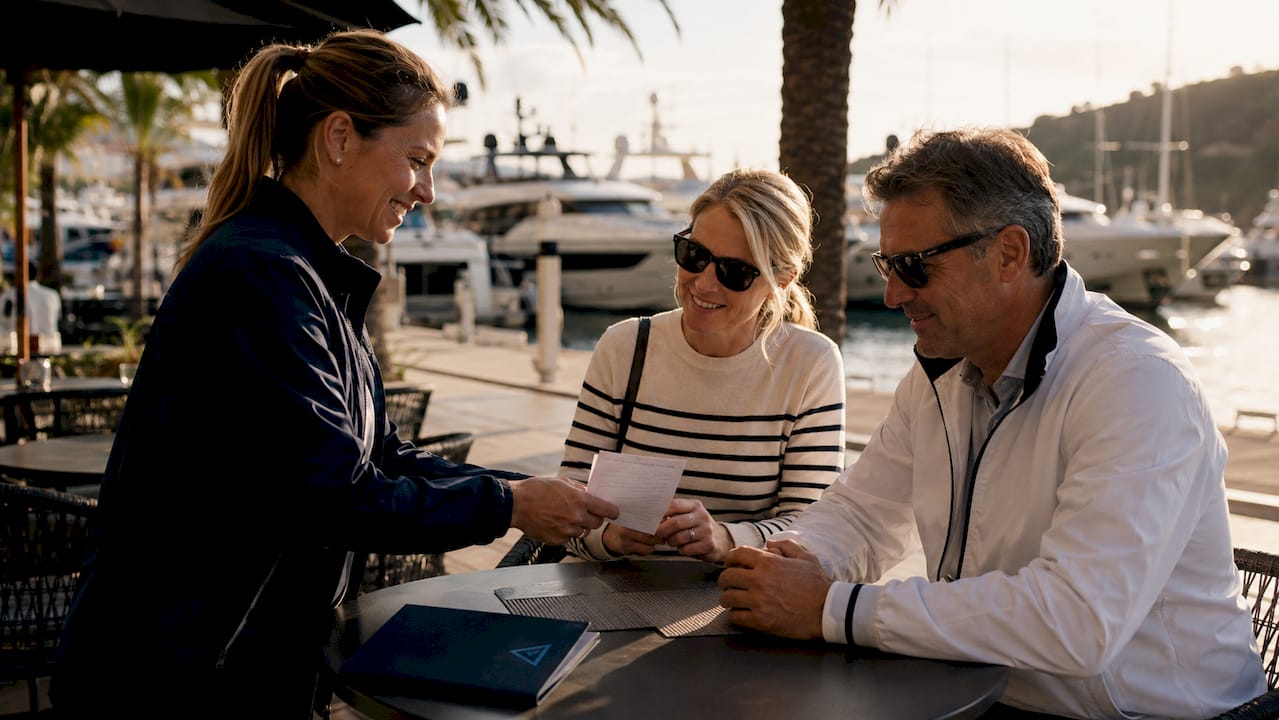
Ai-powered phone receptionists
AI receptionists provide 24/7 call answering, book directly into live calendars, and send SMS follow-ups automatically. Setup takes minutes and integrates with Google Calendar, Outlook, and most existing phone lines. This is the fastest way to stop losing after-hours leads.
CRM systems
Customer relationship management platforms track every boater interaction, from first inquiry to annual renewal. CRMs like Salesforce, HubSpot, or marina-specific platforms centralize contact records, communication history, and service notes in one place. They are the backbone of any long-term retention strategy.
SMS and email marketing platforms
Platforms like Mailchimp, Klaviyo, or marina-integrated messaging tools send automated updates, seasonal promotions, and policy notices to your entire boater list. Segmented campaigns based on slip type, vessel size, or tenure produce significantly higher open rates than generic blasts.
Workforce management and field service apps
These apps give dockmasters and maintenance crews real-time job assignments, digital forms, and crew location tracking. Field service tools start as low as $5 per employee per month, with free trials available up to 55 days. That pricing makes them accessible even for small independent marinas.
Customer self-service portals
A self-service portal lets boaters reserve slips, upload insurance documents, make payments, and message staff without calling the office. Portals reduce front-desk call volume and give boaters the on-demand experience they expect.
Mobile alert systems
Mobile alert platforms push real-time notifications to boaters and staff about weather events, facility changes, and service updates. Integrated alerts keep boaters informed and reduce inbound calls asking about conditions or policy changes.
Online reservation software
Dedicated marina reservations software handles slip requests, transient bookings, and waitlist management from a single dashboard. Embedding the reservation widget directly into your marina website removes friction from the booking process.
Integrated billing and communication suites
Platforms that combine billing with messaging allow staff to send invoices, payment reminders, and service confirmations from the same system. Unified platforms like cloud-based marina management software support both email and text messaging alongside financial workflows.
Video support tools
Video calling tools like Zoom or Teams give marina staff a way to walk boaters through complex service issues, onboarding, or damage assessments remotely. This reduces unnecessary site visits and speeds up resolution times for non-emergency situations.
Alert and notification platforms
Dedicated alerting systems send automated notifications for dock assignments, maintenance windows, and emergency situations. Effective alert tools improve both staff coordination and the boater experience by delivering timely, accurate information.
Pro Tip: Do not try to deploy all 10 tool types at once. Start with the two or three that address your highest-volume pain points, such as missed calls and manual billing, then expand from there.
2. how AI receptionists transform marina communication
AI-powered receptionists represent the single largest efficiency gain available to marina operators right now. Most marinas miss a significant share of inbound calls during evenings, weekends, and peak season. An AI receptionist answers every call, qualifies the lead, and books the slip without human intervention.
The core capabilities include:
- 24/7 call answering with no hold times or voicemail
- Live calendar booking directly into Google Calendar or Outlook
- Lead qualification by asking the right questions before escalating to staff
- SMS follow-ups sent automatically to callers who hang up before booking
That last feature is particularly valuable. AI receptionists send SMS follow-ups to callers who disconnect before completing a booking, turning abandoned calls into active leads. Most marinas have no system for recovering those calls today.
"AI receptionists have transformed after-hours lead qualification by automating basic inquiries and booking, drastically reducing missed calls and no-shows." — AI Receptionist Research
Setup is genuinely fast. You provide basic marina details, connect your calendar, and the system handles the rest. No custom development is required. For marinas with a single front-desk staff member managing phones, reservations, and walk-ins simultaneously, this tool removes the most common bottleneck in the customer intake process.
3. field service apps that improve internal operations
Behind every positive boater experience is a well-coordinated crew. Field service and workforce management apps close the communication gap between the office, the dock, and maintenance teams. They are a critical but often overlooked category of marina customer support solutions.
Here is how to evaluate and use them effectively:
- Real-time dispatch. Assign jobs to crew members from a mobile dashboard and track their location in the field. This eliminates radio confusion and reduces response time for service requests.
- Digital job forms. Replace paper work orders with mobile forms that capture photos, signatures, and timestamps. Digital records reduce disputes and create an audit trail for every service interaction.
- Offline queueing. Docks frequently have unreliable cellular signal. Offline queueing tools capture data locally and sync automatically when the device reconnects, so no information is lost mid-shift.
- CRM and billing integration. The best field service apps push completed job data directly into your CRM and billing system. This eliminates double entry and keeps customer records current without extra staff effort.
- Flexible pricing. Trial periods up to 55 days and permanently free tiers for very small operations make it easy to test fit before committing.
Pro Tip: When evaluating field service apps, test the offline mode specifically on your dock before purchasing. Signal conditions vary widely by marina layout, and a tool that fails in low-signal areas creates more problems than it solves.
4. how to compare digital communication tools for marinas
Choosing the best marina communication software requires a structured comparison. The market includes dozens of options, and the right choice depends on your marina's size, staff capacity, and current tech stack.
Use these criteria when evaluating any tool:
| Criteria | What to Look For |
|---|---|
| Automation depth | Does it handle booking, follow-up, and billing without manual triggers? |
| Integration support | Does it connect with your existing calendar, CRM, or billing system? |
| Multi-channel reach | Does it support phone, SMS, email, and in-app messaging? |
| Offline functionality | Does it queue data locally when signal drops on the dock? |
| Pricing model | Is there a free tier, trial period, or per-seat pricing that fits your budget? |
| User-friendliness | Can a dockmaster learn it in under an hour without formal training? |
Situational recommendations by marina type:
- Small independent marina (under 50 slips): Start with an AI receptionist and a self-service customer portal. These two tools address the highest-impact gaps at the lowest cost.
- Mid-sized marina (50–200 slips): Add a field service app and an SMS/email platform to the above. CRM integration becomes important at this scale.
- Large or multi-property operation: A full-suite marina management platform like Atlantis-marina, which combines reservations, billing, communication, and IoT monitoring in one cloud-based system, is the most efficient path forward.
Phased smart marina upgrades work best when communication tools come first. Operators who start with targeted communication layers before investing in broader infrastructure see faster ROI and lower staff resistance.
5. expert tips for implementing marina communication tools
Successful adoption of any new communication platform depends as much on process as it does on technology. These tips come directly from field experience with marina digital transformation projects.
- Start with one communication layer. Deploy one tool category fully before adding the next. A marina that launches an AI receptionist, a new CRM, and a field service app simultaneously will see staff confusion and low adoption across all three.
- Address signal gaps early. Identify the low-signal zones on your docks before selecting tools. Prioritize platforms with offline queueing capabilities to maintain workflow continuity in dead zones.
- Train staff on integrated workflows. Show your team how data flows from the AI receptionist into the CRM and then into billing. When staff understand the full chain, they stop creating workarounds that fragment your data.
- Use trial periods strategically. Many platforms offer extended free trials of up to 55 days. Use that window to run the tool in parallel with your existing process, not as a replacement, so you can measure the difference directly.
- Review metrics monthly. Track call answer rates, booking conversion, and response times before and after each tool deployment. Data makes the case for continued investment and reveals which tools are underperforming.
Key takeaways
The most effective approach to marina communication is a phased deployment that starts with AI automation and self-service tools, then expands into integrated field operations and full-suite management platforms.
| Point | Details |
|---|---|
| AI receptionists stop lead loss | They answer every call, qualify leads, and book slips 24/7 without staff involvement. |
| Offline queueing is non-negotiable | Dock environments have unreliable signal; tools must capture and sync data locally. |
| Phased adoption reduces friction | Start with one or two high-impact tools before expanding to a full platform. |
| Integration drives efficiency | Tools that connect to your CRM and billing system eliminate double entry and data gaps. |
| Trial periods reduce financial risk | Use extended trials to test real-world fit before committing to annual contracts. |
What i've learned about marina communication tools after years in the field
Most marina operators I talk to make the same mistake. They evaluate tools based on feature lists instead of workflow fit. A platform can have every feature on your checklist and still fail if your dock crew cannot use it reliably in a low-signal environment or if it requires three logins to complete a single task.
The operators who see the fastest results share one habit: they pick the single most painful communication gap, fix it completely with one tool, and only then move to the next problem. A marina that was losing 30% of after-hours calls deployed an AI receptionist and recovered most of those leads within the first month. That win built internal confidence and budget for the next phase.
The other thing I would push back on is the instinct to buy the biggest, most feature-rich platform immediately. Full-suite marina management software is the right destination for most growing operations, but arriving there before your staff is ready creates expensive shelfware. Atlantis-marina's approach of combining reservations, billing, and communication in one cloud platform makes sense at scale. Getting there in phases, rather than all at once, is what actually works in practice.
The tools that consistently deliver results are the ones that reduce friction for both the boater and the staff member. If a tool makes your dockmaster's job harder, boaters will feel that friction too. Simplicity and reliability beat feature count every time.
— John
See how Atlantis-marina handles communication end to end
Atlantis-marina combines slip management, online reservations, billing, and customer messaging into a single cloud-based platform built specifically for marina operators. You get a marina management solution that handles everything from boater self-service portals to automated payment reminders, without stitching together five separate tools.
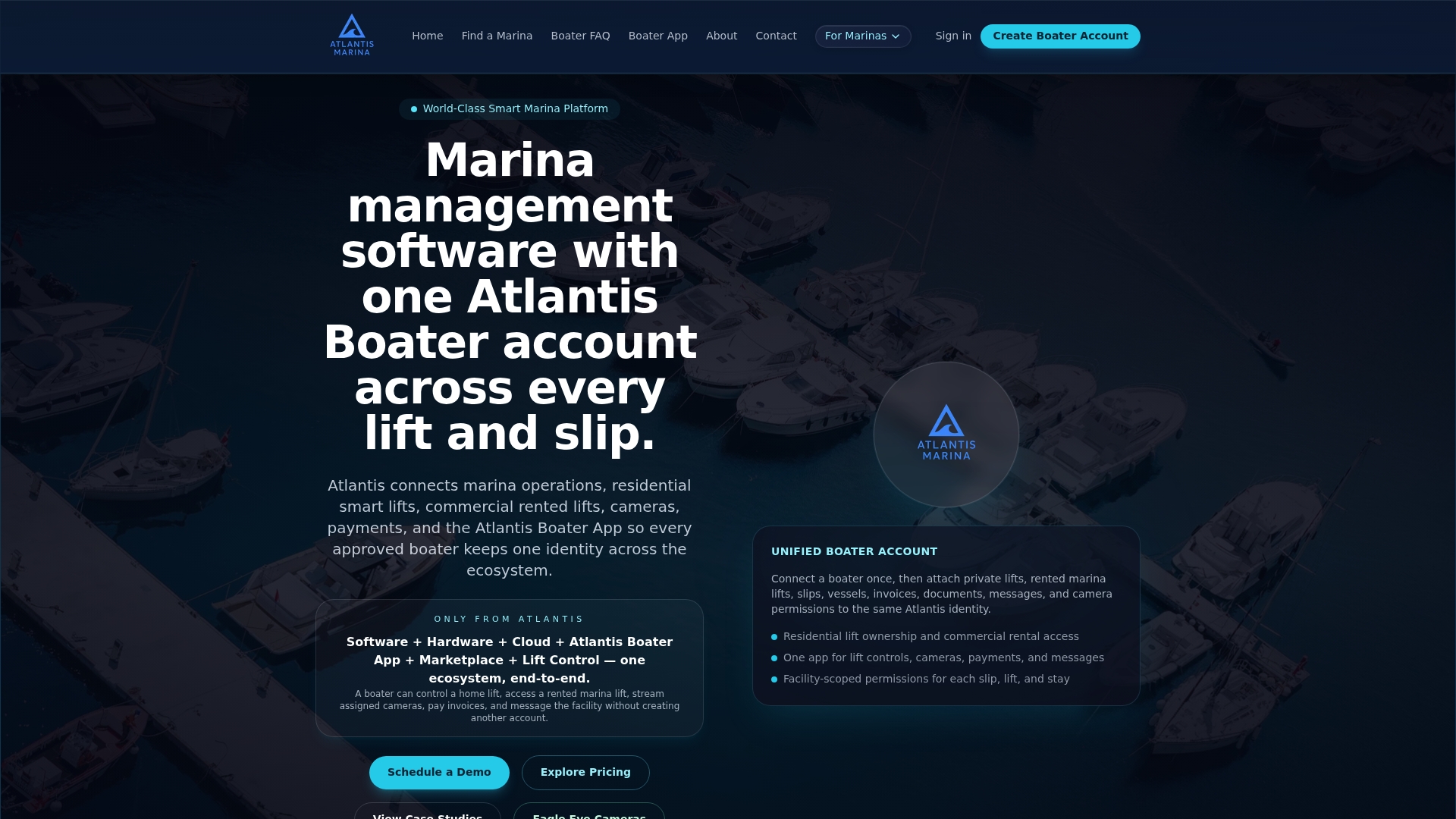
The platform is designed for marinas of all sizes, from independent operators to multi-property groups, and it scales as your operation grows. Atlantis-marina also integrates with smart marina hardware, including boat lift controllers and sensor networks, so your communication tools and your physical infrastructure stay connected. Visit the Atlantis-marina pilot program to explore pricing, request a demo, and see how the platform fits your current workflow before making any commitment.
FAQ
What are customer communication tools for marinas?
Customer communication tools for marinas are software platforms that automate bookings, deliver real-time messaging, and connect boaters with marina staff across phone, SMS, email, and self-service portals. They replace manual phone intake and fragmented workflows with connected, automated systems.
How does an AI receptionist help a marina?
An AI receptionist answers every inbound call 24/7, books slips directly into live calendars, qualifies leads, and sends SMS follow-ups to callers who hang up before booking. This eliminates missed leads during evenings, weekends, and peak season.
What is offline queueing and why does it matter for marinas?
Offline queueing captures data locally on a device when cellular signal is unavailable, then syncs automatically when the connection is restored. It is critical for dock environments where signal gaps are common and data loss during maintenance or service tasks is a real operational risk.
How should a small marina start with communication software?
A small marina should start with an AI receptionist to recover missed calls and a self-service customer portal to reduce front-desk volume. These two tools address the highest-impact gaps at the lowest cost and create a foundation for adding CRM and billing integrations later.
What should marinas look for in a full-suite platform?
The best marina communication software combines reservations, billing, customer messaging, and field operations in one system with strong integration support, mobile access, and offline functionality. Platforms like Atlantis-marina that also connect to smart marina hardware offer the most complete operational picture.