
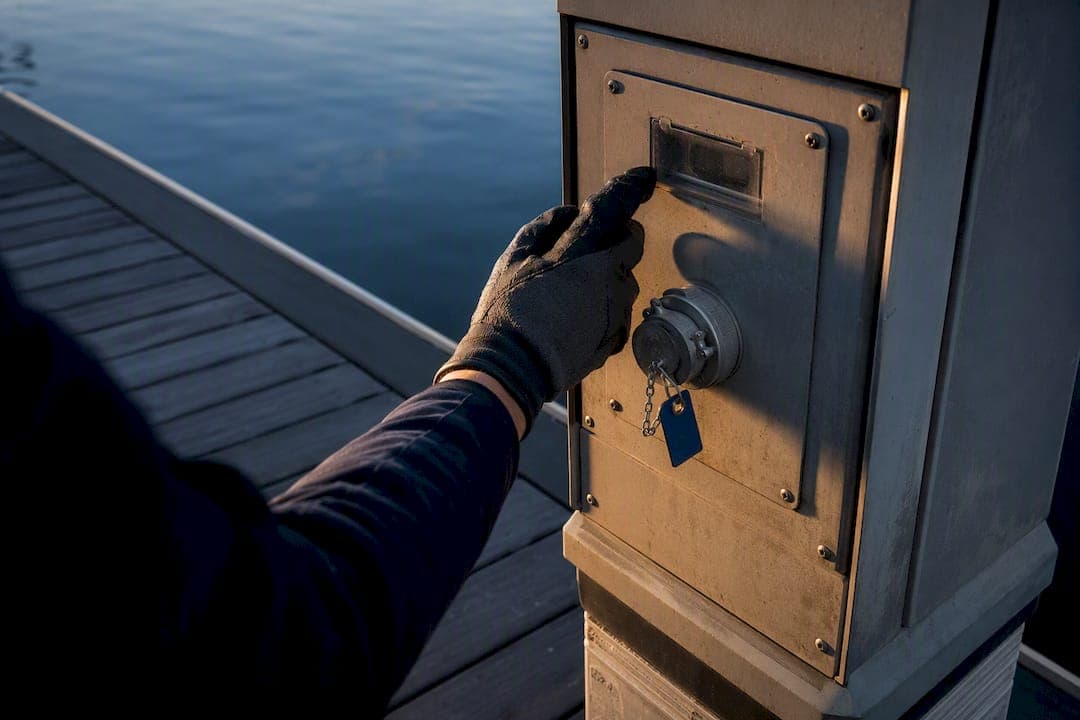
Metered utility billing lets marinas charge each slip for the water and electricity it actually consumes, replacing flat-rate guesswork with automated, usage-based invoices. Combined with billing software, metering closes revenue leaks and cuts customer disputes over usage charges. Integrations with tools like QuickBooks Online and Stripe turn raw meter reads into invoices without manual entry. This guide covers how the systems work, what to buy, how to roll them out, and how to keep the process transparent for boaters.
TL;DR:
- Marinas can retrofit existing pedestals with wireless meters, enabling real-time or scheduled data collection while avoiding complete infrastructure replacement.
- Automated, usage-based billing significantly recoups revenue lost under flat-rate models and reduces staff hours spent on manual meter reading and reconciliation.
- Real-time monitoring of water and electricity usage helps detect leaks and irregular consumption patterns within hours, preventing costly damage and waste.
- Fully integrated platforms that connect metering, billing, payment processing, and accounting shorten deployment timelines and eliminate vendor reconciliation delays.
- Boaters accessing their consumption data through apps or portals typically experience fewer disputes, making billing more transparent and efficient.
Table of Contents
- What Does a Metered Utility Billing System Include?
- What ROI Can Marinas Expect From Metered Billing?
- What Hardware and Features Do You Need?
- How Do You Roll Out Metered Billing Without Disrupting Operations?
- How Do Meter Reads Turn Into Invoices?
- How Do You Catch Leaks and Irregular Usage Before They Cost You?
- What Does an Integrated Platform Change About the Rollout Timeline?
- Get Metered Billing Running Without the Integration Headache
- Sources
- FAQ
What Does a Metered Utility Billing System Include?
A metered utility billing system for marinas has five working parts: field meters at each pedestal, a transponder or base station that pulls readings, a data network that moves those readings offsite, a cloud dashboard, and a billing engine that turns consumption into invoices. Remote utility metering platforms connect directly to existing pedestal infrastructure and transmit readings to a central dashboard, which then syncs to your billing software automatically.
Operators choose between two read modes. Real-time systems push consumption data continuously, useful for catching leaks or unusual draws as they happen. Scheduled reads pull data on a set interval, often daily, which suits marinas that don't need minute-by-minute visibility.
Billing itself splits into two models:
- Post-pay: usage accrues and bills at the end of a cycle, typical for seasonal or long-term slip holders.
- Pre-pay: boaters load funds and draw down against them, common for transient and guest moorage.
Most marinas don't need to rip out existing pedestals. Retrofit kits add metering and wireless transmission to infrastructure already in the ground, which is far cheaper than a full rebuild.
What ROI Can Marinas Expect From Metered Billing?
Usage-based billing recovers revenue that flat-rate models simply give away. When every slip pays a fixed utility fee regardless of consumption, heavy users get subsidized by everyone else, and marinas absorb the gap. Metering fixes that by charging for what's actually drawn.
Pro Tip: Run a side-by-side comparison for one billing cycle: total metered consumption value versus what you actually collected under flat rates. The gap is your baseline recovery target.
The labor savings are just as real. Manual dock walks to read meters, followed by spreadsheet reconciliation, consume staff hours every billing cycle. Automated reads eliminate both steps. Some operators model payback over several years, driven mainly by labor recovery and the utility revenue that was previously going unbilled.
There's a behavioral upside too: giving customers real-time access to their own consumption data tends to reduce usage and disputes at once, because boaters can see exactly what they're using instead of arguing about an estimate.
Three things drive the ROI timeline:
- Marina size (more slips means more recovered revenue per cycle)
- Current billing method (flat-rate marinas see bigger jumps than those already estimating usage)
- Staff hours currently spent on manual reads and reconciliation
Not every marina should bill water per slip, either. Some treat water as a bulk-metered utility covered by general assessments rather than individual billing, and that choice depends on local contracts and your own operating model.
What Hardware and Features Do You Need?
Buying decisions for marina metering hardware come down to accuracy, durability, and control. Marine environments are brutal on electronics: saltwater exposure, temperature swings, and constant vibration from dock movement all shorten equipment life if the gear isn't rated for it.
Your procurement checklist should cover:
- Meter accuracy and tamper resistance: look for tamper alerts and certified accuracy specs, not just a listed reading.
- NEMA or IP ratings: pedestals need weatherproof enclosures rated for marine exposure, not standard indoor ratings.
- Remote on/off control: lets staff cut power or water to a slip without a dock walk, critical for non-payment or safety issues.
- QR-code or app-based pre-pay access: speeds guest check-in and removes cash handling from transient billing.
- Ground-fault detection: a safety requirement at most marinas and a feature that also flags wiring problems before they become liabilities.
- Data transmission: radio, LoRa, or cellular, each with different range and cost tradeoffs; confirm battery life and encryption on any wireless option before signing a contract.
Wireless transponders that relay readings from pedestal to base station are now standard in commercial deployments, so ask any vendor how their transmission range holds up across your slip layout, not just in a demo dock.
How Do You Roll Out Metered Billing Without Disrupting Operations?
Deploying metered billing works best as a staged process, not a flip-the-switch event. Rushing a marina-wide rollout is the fastest way to create billing disputes you'll spend months untangling.
- Survey your infrastructure. Map existing electrical and water connections at every pedestal, and decide where retrofit kits work and where you need new hardware.
- Pilot on 5 to 10 percent of slips. Testing on a small cluster lets you validate read accuracy and tariff logic before committing budget marina-wide.
- Select your data network and meter type based on the pilot's range and reliability results.
- Test remote controls. Confirm on/off switching and alert delivery work as expected under real dock conditions.
- Integrate with billing and accounting. Connect meter data to your billing software, set tariffs, and confirm invoices generate correctly.
- Run a verification period. Compare metered invoices against manual estimates for one full cycle, and resolve any disputes before expanding further.
- Roll out marina-wide once the pilot data and billing accuracy hold up.
| Phase | Primary goal | Typical output |
|---|---|---|
| Survey | Identify retrofit vs. new install needs | Infrastructure map |
| Pilot | Validate accuracy and tariffs | 5 to 10% of slips live |
| Integration | Connect meters to billing software | Automated invoice generation |
| Verification | Confirm accuracy before scaling | Reconciled billing cycle |
| Rollout | Deploy marina-wide | Full-property metered billing |
How Do Meter Reads Turn Into Invoices?
Turning a meter reading into a paid invoice requires clear tariff rules and the right integrations. Most marinas bill per kilowatt-hour for electricity and per gallon for water, often layered with a minimum charge or connection fee to cover fixed costs regardless of usage. Some operators add time-of-use pricing to shift peak-season load.
The billing engine only works well if it's connected to the tools your marina already runs on:
- Payment processors like Stripe or ACH handle the actual charge collection.
- Accounting sync, typically with QuickBooks Online, keeps revenue booked without manual entry. Atlantis Marina's billing automation handles both of these natively, alongside autopay scheduling.
- Marina management software ties consumption data to the right slip, contract, and customer record.
Cloud dashboards let operators set tariffs by meter or berth and generate on-demand invoices, which matters when you have mixed pricing across seasonal and transient slips.
| Billing element | Common structure |
|---|---|
| Electricity | Per kWh, sometimes with a connection fee |
| Water | Per gallon, sometimes bundled into assessments |
| Minimum charge | Flat fee covering fixed infrastructure cost |
| Time-of-use | Higher rate during peak season or hours |
For dispute resolution, time-stamped usage logs matter more than anything else. When a boater questions a bill, a report showing exact daily consumption settles the question faster than any argument about estimates. Automated invoice delivery paired with autopay closes the loop, so staff aren't chasing payments manually every cycle.
How Do You Catch Leaks and Irregular Usage Before They Cost You?
Irregular usage patterns are usually the first sign of a leak, a wiring fault, or a boater running equipment that shouldn't be connected to shore power. Real-time monitoring catches these faster than a monthly bill ever could, because the deviation shows up in the data within hours instead of at the end of a billing cycle.
Watch for three signal types. A sudden spike in water draw with no corresponding increase in occupancy usually points to a leaking hose bib or a cracked fitting at the pedestal. A steady baseline draw that never drops to zero, even when a slip is unoccupied, often means a phantom load like a bilge pump running continuously or a heater left on. Gradual upward creep across several billing cycles, rather than a sudden jump, tends to indicate aging infrastructure rather than a single incident.
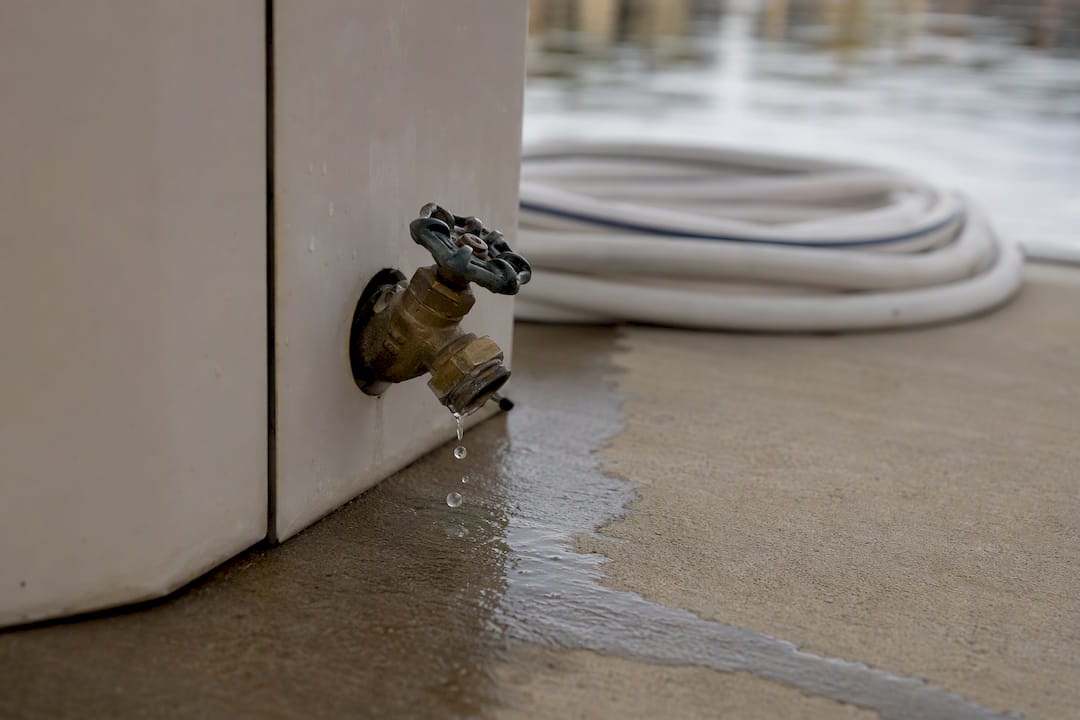
Automated alerts solve the detection lag that flat-rate billing never addressed. Instead of discovering a leak when the water bill triples, dashboards flag unusual consumption the same day it happens, letting staff investigate before the cost compounds across a full cycle. That speed matters most in shoulder seasons, when slips sit unoccupied for stretches and a leak can run undetected for weeks under a manual-read system.
Set threshold alerts relative to each slip's own historical baseline rather than a marina-wide average. A liveaboard's normal draw looks like an anomaly on a transient slip, and a single marina-wide threshold will either miss real problems or flood staff with false alarms.
What Does an Integrated Platform Change About the Rollout Timeline?
Most of the friction in metered billing projects doesn't come from the meters themselves. It comes from stitching together hardware, a billing engine, a payment processor, and an accounting system that were never designed to talk to each other. That's where a unified platform earns its keep.
Some marina management platforms centralize that stack: billing automation with autopay, Stripe and ACH processing, and QuickBooks Online sync run alongside boater-facing tools that cut down on manual work at the front desk. Boaters review usage and pay invoices through a boater app, and AI assistants can field routine billing questions so staff aren't answering the same "why is my bill higher this month" message multiple times a day.
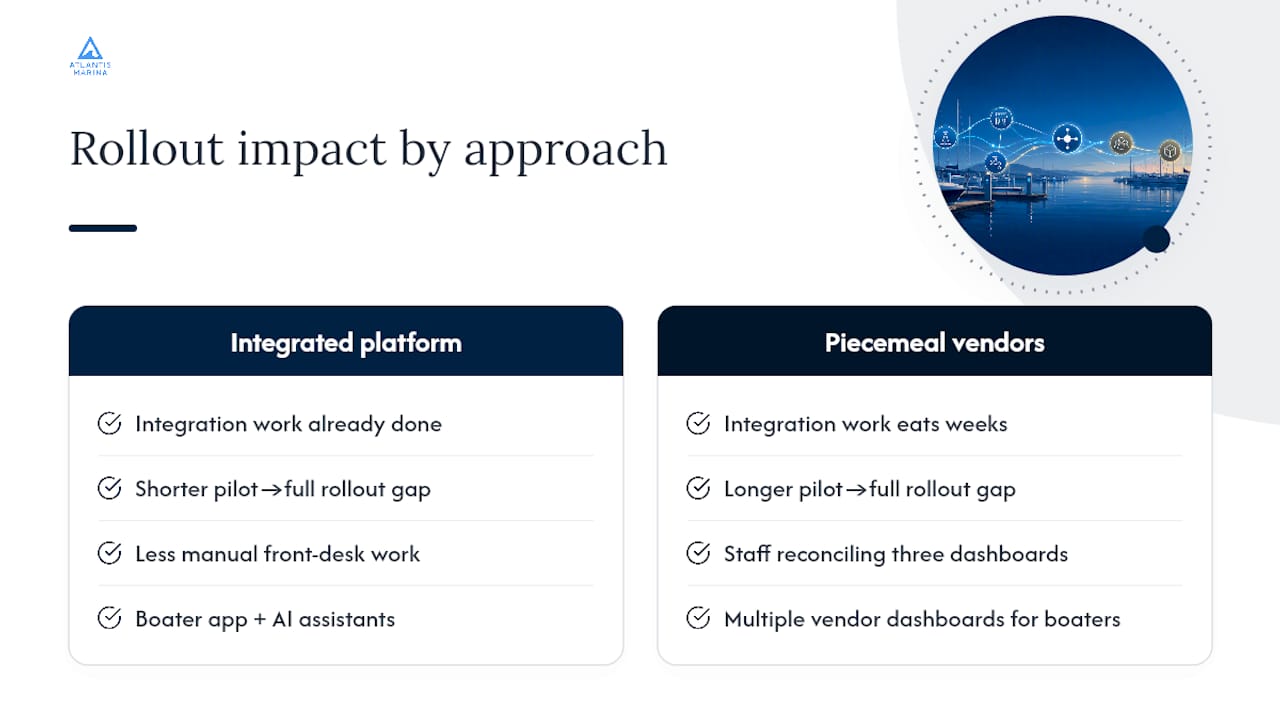
The practical effect is a shorter gap between pilot and full rollout, because the integration work that normally eats weeks is already done. Operators aren't reconciling three vendor dashboards to answer one billing dispute.
The lesson from watching marinas attempt this piecemeal: the meters are the easy part. The system around them is where projects stall.
— John R
Get Metered Billing Running Without the Integration Headache
If the rollout steps above sound straightforward on paper but daunting in practice, the gap is almost always integration, not hardware. Atlantis Marina removes that gap by pairing usage-based billing with the operational software marinas already need for slip assignments, contracts, and payments.
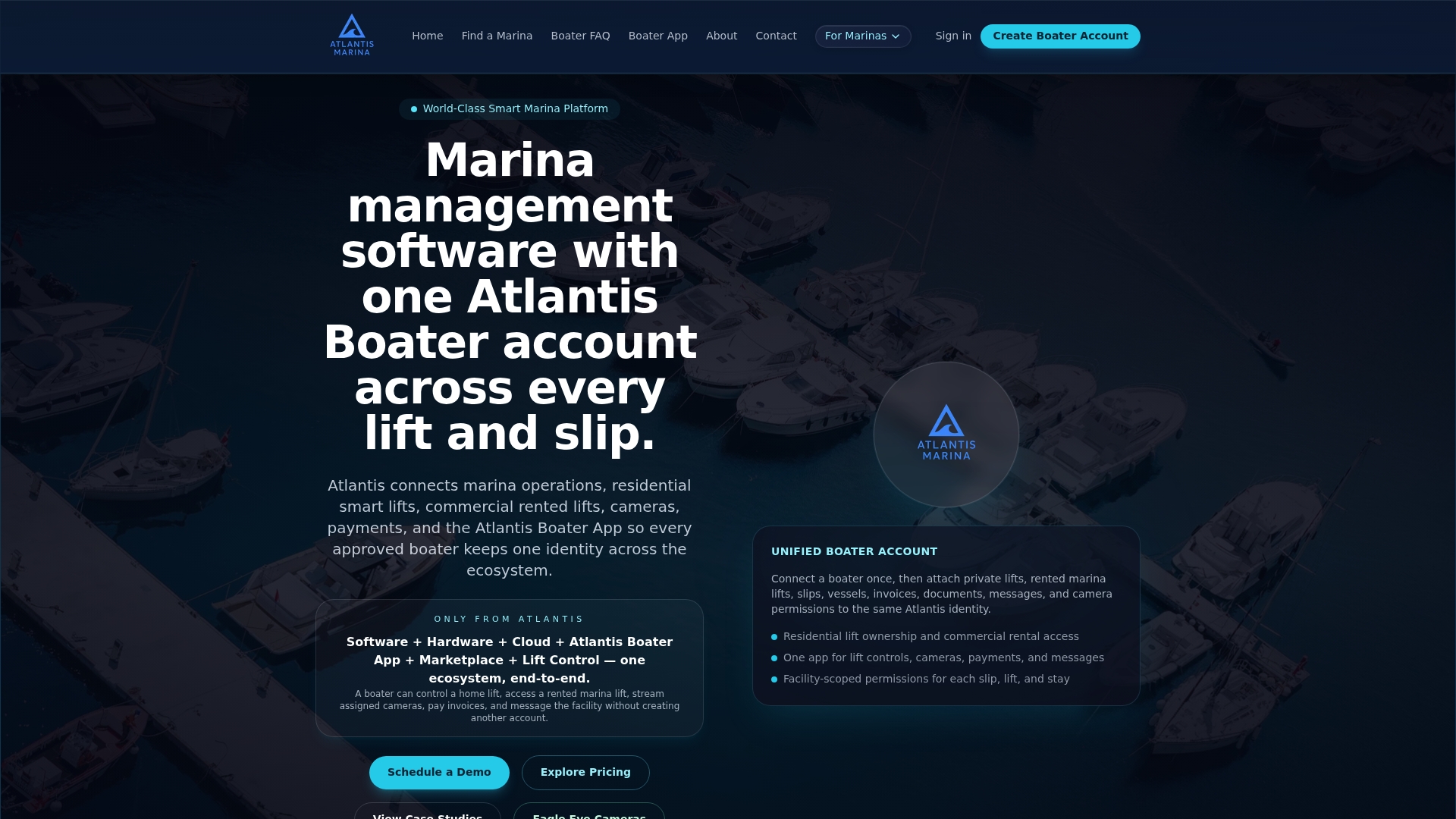
Instead of stitching together a metering vendor, a payment processor, and a separate accounting sync, Atlantis Marina's billing automation handles autopay, Stripe and ACH processing, and QuickBooks Online sync from one dashboard. Contracts get signed digitally, invoices go out automatically, and boaters check usage and pay through the Atlantis Boater App instead of calling the office. That's the difference for an operator coming out of a pilot: one connected system instead of three vendor logins to reconcile every billing cycle.
If you're planning a metered billing rollout for the coming season, request a look at the full platform and see how billing, payments, and boater self-service fit together for your slip count.
Sources
- Remote Utility Metering (RUM) | MarineSync
- Smart marina utility monitoring | Smarter Technologies
- Energy Metering Solutions for Marinas | Metpow
- Utility Services and Procedures - Harbour Village Marina Inc.
FAQ
What Is Metered Utility Billing for a Marina?
It's a system that charges each slip for actual water and electricity consumption, using meters and pedestal transponders connected to billing software, rather than charging a flat fee regardless of usage.
How Does Marina Utility Billing Work Without Replacing Old Pedestals?
Retrofit kits add metering and wireless transmission to existing pedestal infrastructure, so most marinas can add metered billing without a full electrical rebuild.
Does Metered Billing Reduce Billing Disputes?
Yes. Giving boaters access to time-stamped usage data through an app or portal typically reduces disputes because customers can see exactly what they consumed instead of contesting an estimate.
Can Metered Billing Integrate With QuickBooks and Payment Processors?
Yes. Platforms like Atlantis Marina sync metered billing with QuickBooks Online and payment processors such as Stripe and ACH so invoices are generated and reconciled automatically.
Should Water Be Billed Per Slip or as a Bulk Assessment?
It depends on your marina's contracts and local arrangements. Some marinas bill water in bulk through general assessments rather than metering it per slip, while others meter both water and electricity individually.