
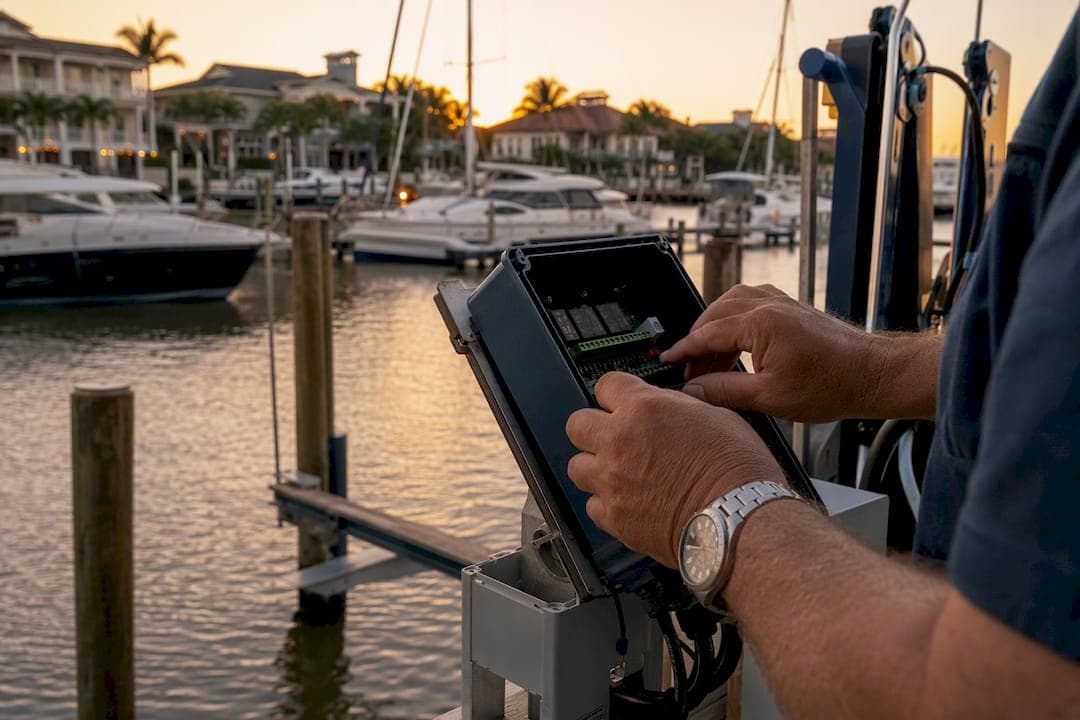
The fastest way to run multiple marinas profitably comes down to three moves: a centralized operations dashboard, automated reservations and billing, and standardized SOPs across every site. Skip any one of these and you inherit double bookings, delayed reconciliations, and a dockmaster team relearning the same fire drills at every property. Multi-site operators who standardize on an enterprise-grade platform with centralized billing and metered-utility recovery typically pay in the low five figures monthly, a cost that pales against the labor hours lost to spreadsheets and disconnected systems. Getting Clean Marina certification and NOAA grant eligibility right from day one also protects revenue, not just reputation.
This quarter: consolidate your vessel and account records into one system. This year: automate billing and standardize your SOPs.
- Centralize data before adding integrations
- Automate recurring billing and reservations
- Standardize SOPs across every property
- Weigh build cost and timeline against buying a proven platform
- Month 1: audit your current systems and pick a system of record
- Months 2 to 3: turn on automated billing and reservations
- Months 4 to 12: roll out smart hardware and portfolio reporting
Key Takeaways
Multi-property waterfront operators succeed by centralizing data, automating reservations and billing, and standardizing SOPs before adding smart hardware or revenue programs.
| Point | Details |
|---|---|
| Centralize your data first | Establish one vessel and account record across every property before connecting transient networks. |
| Automate billing early | Turn on autopay, e-signature contracts, and QuickBooks sync within the first 60 days. |
| Standardize SOPs across sites | Document arrival handling, launch queues, and incident logging once, then train every property on it. |
| Track portfolio KPIs weekly | Watch occupancy, RevPAS, fuel margin, and utility recovery to catch problems early. |
| Consolidate on one platform | Atlantis Marina unifies reservations, billing, smart hardware, and reporting for multi-property portfolios. |
Table of Contents
- Set a Single Source of Truth: Dashboards, Permissions, and Data Hygiene
- How Do You Automate Reservations and Billing Across Sites?
- Standardize SOPs, Cross-Train Staff, and Enable Mobile Workflows
- What Maintenance and Compliance Programs Do Multi-Site Marinas Need?
- Which Smart Hardware Should You Connect Across Properties?
- How Do You Diversify Revenue Across a Marina Portfolio?
- What KPIs Matter Most for a Multi-Property Marina Portfolio?
- What Separates High-Performing Marina Portfolios From the Rest?
- How Atlantis Marina Helps Multi-Property Operators Scale
- Sources
- FAQ
Set a Single Source of Truth: Dashboards, Permissions, and Data Hygiene
Every multi-property portfolio needs one system of record for vessel and account data. Without it, the same boat ends up with three different files at three different marinas, and nobody can tell which contract or insurance document is current. Prioritizing a single vessel and account record before you connect transient booking networks prevents the double-booking headaches that plague operators who integrate first and consolidate later.
Your dashboard should centralize occupancy by format, transient yield, fuel margin, meter recovery, and open work orders. That is the minimum data set a regional manager needs to spot a problem before a customer does.
Permissions matter just as much as the data itself. Site general managers need operational visibility into their own property; regional operations staff need cross-property comparisons; corporate finance needs consolidated billing and payment status without wading through dock-level detail.
Build in a quarterly reconciliation cadence to catch orphaned accounts, duplicate vessel records, and stale contracts before they become write-offs.
- Assign one system of record for vessel and account data
- Centralize occupancy, yield, fuel margin, and work-order fields
- Set role-based permissions by site, region, and corporate finance
- Reconcile records quarterly to catch duplicates and orphaned accounts
Pro Tip: Migrate one property fully before touching the next. Operators who migrate all sites simultaneously usually end up chasing the same data errors across every location instead of fixing them once.
An operations dashboard built for multi-property use, paired with a single vessel record across your portfolio, removes most of this friction before it starts.
How Do You Automate Reservations and Billing Across Sites?
A shared inventory source that syncs with transient booking networks is what actually stops double-bookings, not tighter phone scripts or more diligent front-desk staff. Five features separate a workable multi-property system from one that creates more work than it saves: dimensional matching on LOA and beam, multi-homing to transient networks, integrated e-signature contracts, card-on-file autopay, and QuickBooks sync for accounting.
Skipping dimensional matching early is one of the costlier mistakes operators make, since it forces an expensive data-model rebuild once the mismatch problem shows up in real arrivals.
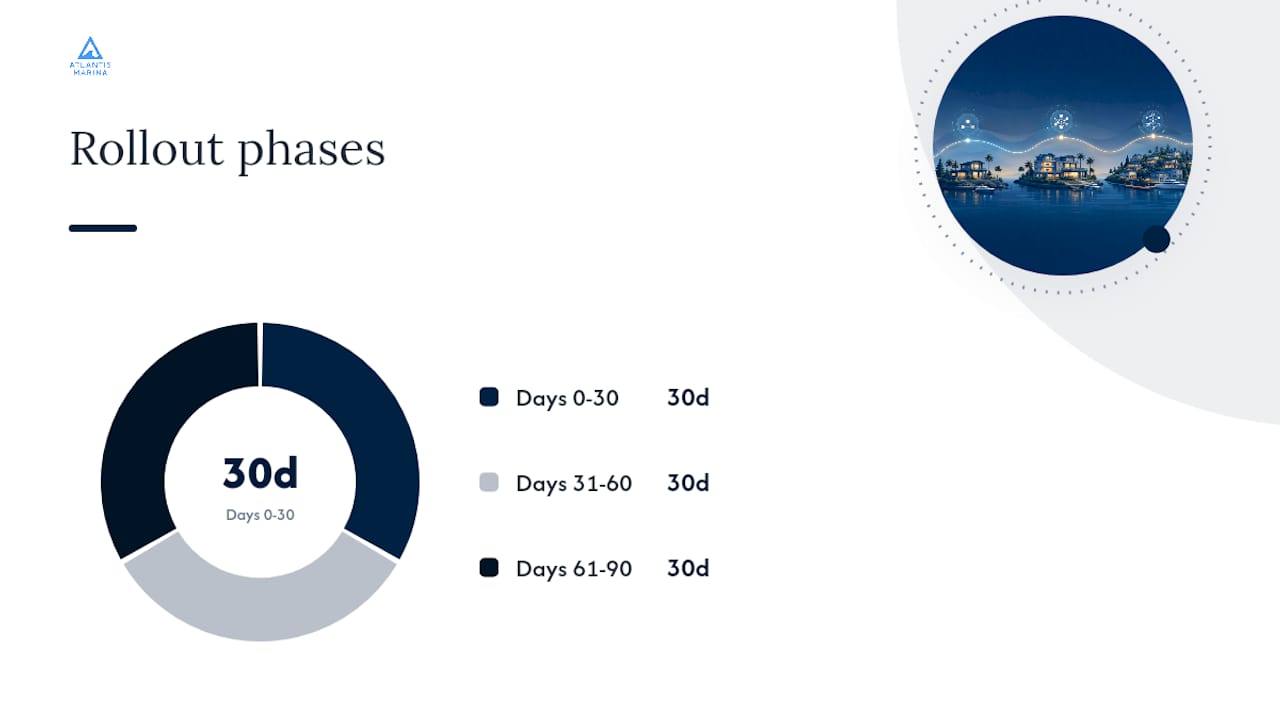
A phased rollout keeps the transition manageable:
- Days 0-30: Close cash controls, audit inventory, and confirm every slip's dimensional data.
- Days 31-60: Enable recurring billing and connect transient reservation networks.
- Days 61-90: Turn on utility metering, service work orders, and portfolio-level reporting.
This sequence mirrors what experienced multi-site operators recommend: cash and inventory first, revenue automation second, reporting last.
On cost, off-the-shelf platforms handle most single-site needs well, but custom multi-location builds with a unified ledger and integrated fuel-dock billing commonly run $400,000 to $700,000 and take 30 to 42 weeks. That gap is exactly why most portfolios buy rather than build.
Billing automations worth enabling first:
- Autopay and card-on-file with automatic retry logic
- Digital contracts through e-signature, not paper
- Refunds and adjustments processed without manual entry
- Utility metering added directly to invoices
Standardize SOPs, Cross-Train Staff, and Enable Mobile Workflows
Peak weekends expose every gap in your training. Standardize the SOPs that matter most across every site: arrival handling, forklift and launch queue sequencing, fuel dock reconciliation, and incident logging. When every property follows the same arrival checklist, a floater staffer from Marina A can work a Saturday at Marina B without a crash course.
Cross-training pays off fastest during shoulder seasons. A reasonable staffing rule of thumb is one trained floater for every 150 to 200 slips across your portfolio, with housing stipends or shift premiums to make cross-property assignments worth taking.
Mobile-first workflows cut errors dramatically. Handheld checklists, QR-code account lookups, and photo timestamps on service work replace the clipboard-and-memory approach that breaks down the moment a marina gets busy.
- Standardize arrival, launch queue, fuel dock, and incident SOPs
- Cross-train floater staff across nearby properties
- Use handheld checklists and QR-code lookups for every dockhand
- Require photo timestamps on maintenance and incident work
- Document each SOP once, then train every site manager on it
- Assign floater staff based on portfolio slip count
- Audit mobile workflow adoption monthly
Pro Tip: Require a written shift handover note with a timestamped closeout every evening. It's the cheapest insurance you'll ever buy against a Monday morning dispute over who serviced what.
A mobile-ready dockmaster workflow turns this from a training slide into daily practice.
What Maintenance and Compliance Programs Do Multi-Site Marinas Need?
A computerized maintenance management system (CMMS) with preventive maintenance cycles and condition indexes tells you which assets need capital before they fail, not after. Prioritize revenue-generating assets first, fuel docks and transient slips typically pay back capital investment fastest, then work down a five-year phased plan for the rest.
Environmental and safety compliance can't be an afterthought across a portfolio. Clean Marina certification, oil and waste containment, functioning pump-out stations, and stormwater controls all need documented inspections on a recurring schedule. Recreational marinas face real seasonality and environmental pressure, and phased capex planning alongside Clean Marina certification is one of the more effective mitigations available.
- Run a CMMS with condition indexes to prioritize capital spend
- Pursue Clean Marina certification and document inspections
- Review insurance coverage and safety waivers annually
- Track NOAA and state harbor fund grant deadlines
Pro Tip: Keep a shared grant calendar across your portfolio. NOAA and state harbor funding cycles rarely align with your fiscal year, and missing a deadline by one week means waiting another cycle.
Which Smart Hardware Should You Connect Across Properties?
Pedestal submeters, smart boat lift controllers, RFID access gates, camera security, and environmental sensors form the core hardware stack worth connecting first. Each one closes a gap that used to require a staff member physically walking the docks to check.
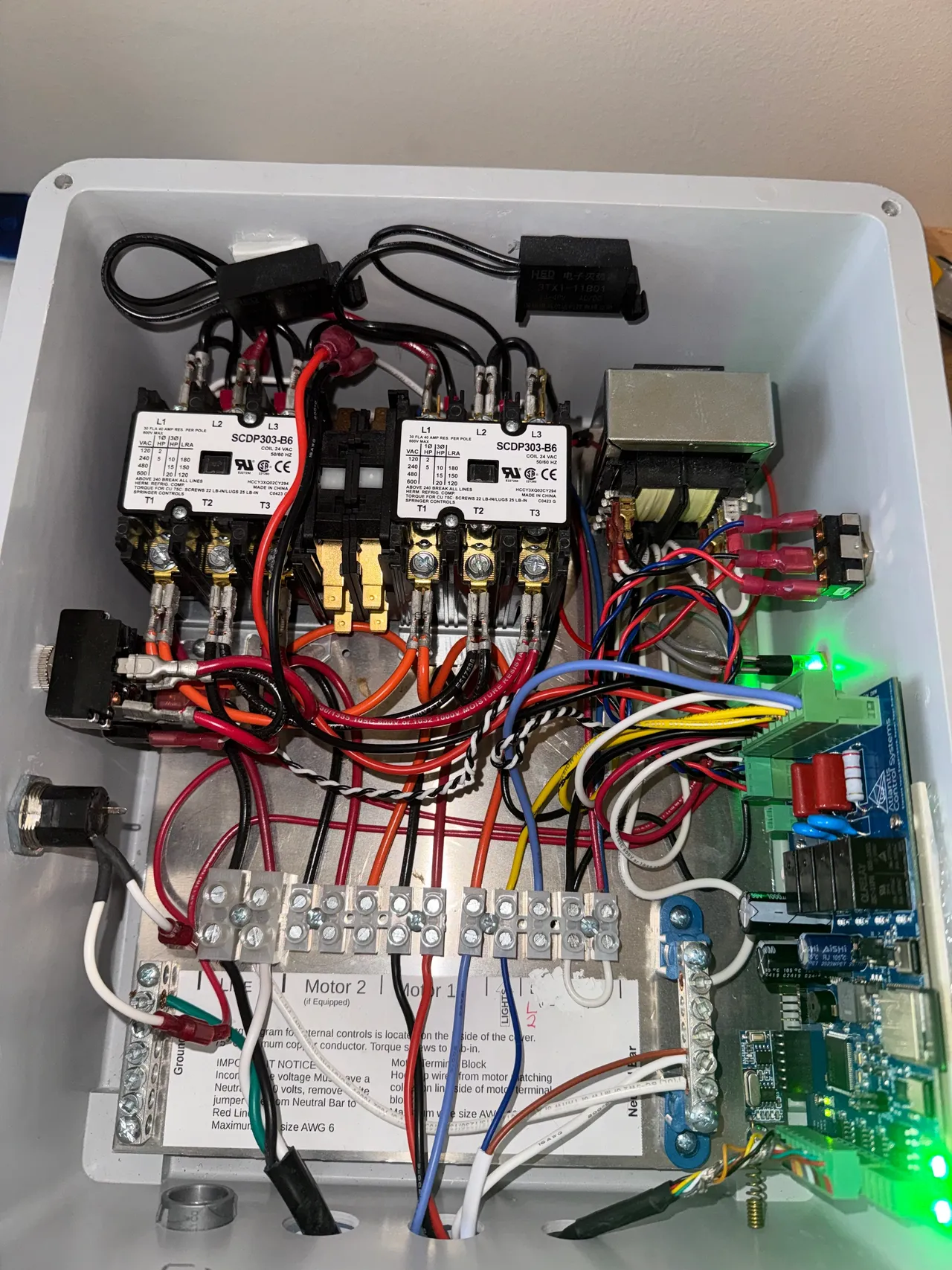
Before rolling anything out, confirm your data endpoints, vendor APIs, and edge-device management approach. A consolidated operational control layer matters more than any single sensor. It's not about adding another point tool. It's about giving dock staff one shared picture instead of five disconnected apps.
A typical remote-alert workflow runs like this: a sensor detects an anomaly (rising bilge water, a lift fault, an unmetered power draw), staff get a mobile alert, the system logs a work order automatically, and resolution gets confirmed and timestamped.
- Map data endpoints and vendor APIs before purchasing hardware
- Pilot one hardware category at your highest-traffic site
- Expand to remaining properties once the workflow is proven
- Pedestal submeters for utility recovery
- Smart lift controllers with remote diagnostics
- RFID or QR-code access gates
- Camera and environmental sensors tied to mobile alerts
Pro Tip: Stage rollouts by asset criticality, not by property size. A single lift failure costs more than a submeter gap, so fix the highest-risk asset class first across every site.
Camera and sensor integration built for marina environments handles the vendor and warranty tracking that otherwise falls through the cracks.
How Do You Diversify Revenue Across a Marina Portfolio?
Membership programs, concierge services, and on-site events consistently outperform slip rent alone as year-round revenue drivers. Winterization and indoor storage smooth out the off-season revenue drop that hits every northern marina, while boat condo or fractional ownership pilots give you a new asset class without acquiring new waterfront.
Marketing works better shared than siloed. A unified marketplace listing, a shared events calendar, and cross-property packages let a boater who visits one location discover the others without your marketing team building five separate campaigns.
A membership program that spans your portfolio, with shared benefits, clear tiers, and centralized billing, turns loyal boaters into repeat customers across multiple sites instead of just one.
- Launch a portfolio-wide membership tier with shared reciprocal benefits
- Bundle winterization and storage into a single seasonal package
- Cross-promote events across properties to smooth occupancy dips
- Add concierge or F&B services at your highest-traffic locations
- Audit current occupancy gaps by season across all properties
- Launch one shared membership tier as a pilot
- Expand successful packages to underperforming sites
Concierge services and diversified year-round revenue streams are exactly the kind of mitigation strategy recommended for recreational marinas facing seasonal revenue swings.
What KPIs Matter Most for a Multi-Property Marina Portfolio?
Occupancy by format, transient RevPAS, fuel gross profit per gallon, utilities per occupied slip, labor dollars per active slip, work-order cycle time, and close rate on inquiries: these seven numbers tell you more about portfolio health than any single site's revenue total.
Set a reporting rhythm and stick to it: a daily ops view for arrivals and issues, a weekly readiness check, a monthly P&L consolidation across every property, and a quarterly capex review. Watch for early warnings like night-meter exceptions and sudden vacancy spikes.
Small single sites can run on platform-built dashboards. Multi-marina portfolios earn a data warehouse feeding into a BI tool once the comparison across properties becomes the actual decision driver.
- Track occupancy, RevPAS, fuel margin, and utility recovery weekly
- Consolidate P&L monthly across the full portfolio
- Review capex priorities quarterly against condition indexes
- Build a one-page daily dashboard for every site manager
- Consolidate monthly reporting at the portfolio level
- Flag KPI outliers before they become quarter-end surprises
What Separates High-Performing Marina Portfolios From the Rest?
Most operators who struggle with a second or third property make the same mistake: they scale the boats before they scale the systems. Disconnected billing, undertrained peak-season staff, and no shared SOP document are the usual suspects.
- Pitfall: Disconnected systems across sites → Fix: One centralized operations platform
- Pitfall: Undertrained seasonal staff → Fix: Cross-trained floaters with written SOPs
- Pitfall: Loose month-end habits → Fix: Disciplined, timestamped monthly closeouts
The single most underrated lever in this whole playbook is disciplined month-end reporting, paired with a habit of photographing and timestamping work for insurance and lender verification.
How Atlantis Marina Helps Multi-Property Operators Scale
Atlantis Marina replaces the spreadsheet-and-clipboard patchwork most portfolios inherit with one connected system built for exactly the moves outlined above.
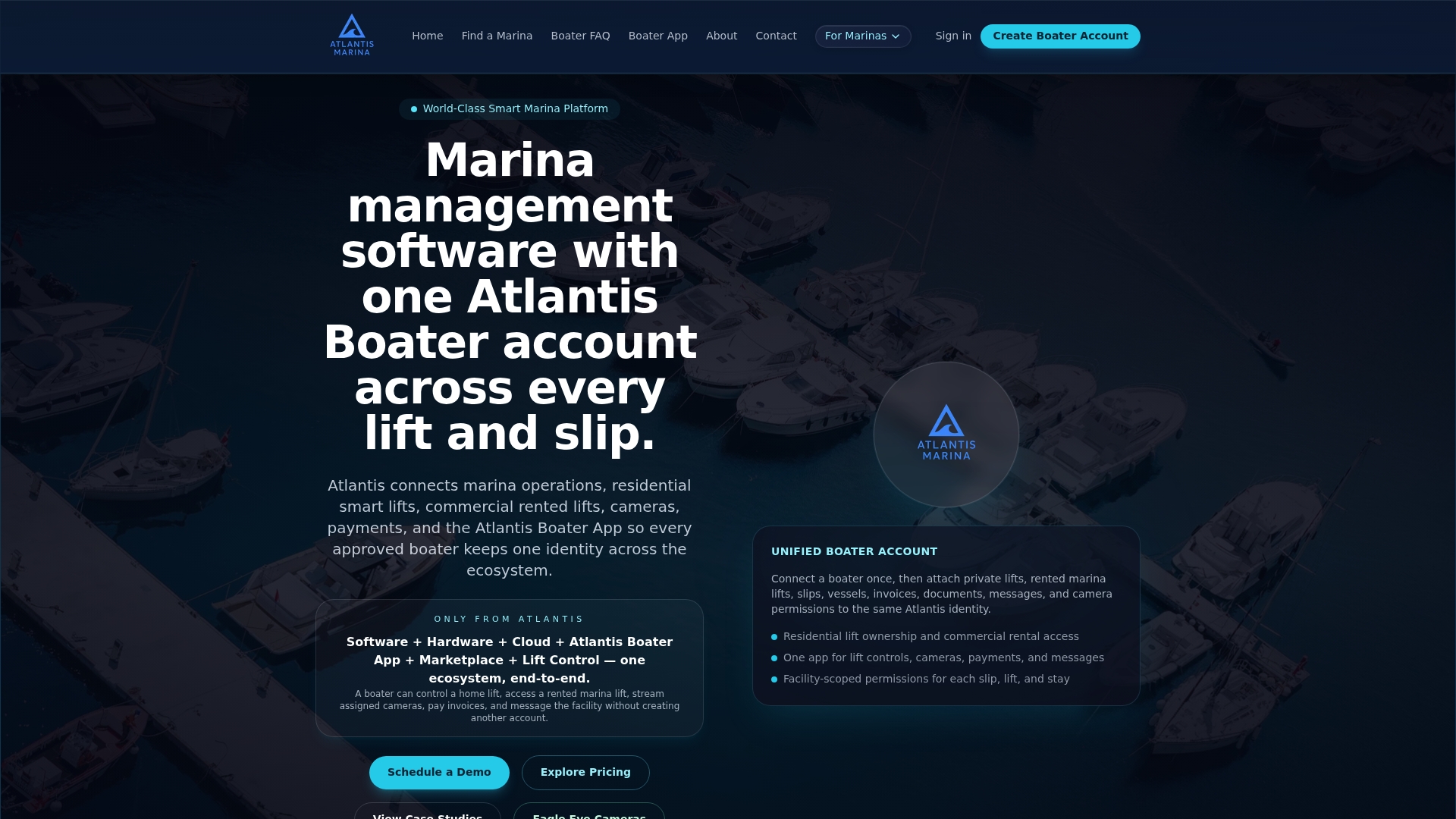
The platform gives every property a shared operations dashboard covering reservations, billing, maintenance tracking, and occupancy reporting, so a regional manager sees all sites from one screen instead of logging into five separate tools. Reservations sync with transient networks and check dimensional fit automatically, billing runs on autopay and Instant Pay with QuickBooks sync built in, and smart boat lift controllers, cameras, and sensors report status directly into the same dashboard. Boaters manage their accounts through the Atlantis Boater App, and Atlantis Bot, the platform's AI assistant, fields routine billing and reservation questions so your staff can stay on the dock instead of the phone. One multi-site group that consolidated onto a single platform cut double-bookings across its properties and moved from manual monthly statements to automated, centralized billing within one billing cycle.
If your portfolio is still running on disconnected systems, request a demo and see how one dashboard can replace the five tools you're juggling now.
Sources
For deeper implementation detail, these sources cover the technical and financial tradeoffs referenced throughout this playbook:
- What is the best tech stack for a marina operator in 2027? | PulseRevOps
- Marina Management Software: Build vs. Buy Cost Guide (2026) | Raft Labs
- Operating With Intent: Why Third-Party Management Lifts Marina Portfolios - Trident Marine Group
- Key issues for recreational marinas and marina resorts — and strategic solutions | Arthur J. Gallagher & Co.
- Running a tighter ship: modern marina operational control layer | NexusTek
For migration templates and implementation help, Atlantis Marina's multi-property management guide walks through the consolidation process in more detail.
FAQ
What Is the First Step in Managing Multiple Marinas?
Establish a single system of record for vessel and account data before connecting reservations, billing, or transient booking networks to avoid duplicate records and double-bookings.
How Much Does Multi-Property Marina Software Cost?
Enterprise platform fees for multi-marina portfolios commonly run in the low five figures per month, while custom-built systems with multi-location billing can cost $400,000 to $700,000 and take 30 to 42 weeks to build.
How Long Does It Take to Implement a New Marina Management System?
A phased 90-day rollout works well: close cash controls and inventory in the first 30 days, enable billing and reservations by day 60, then turn on metering and portfolio reporting by day 90.
What KPIs Should Multi-Property Marina Operators Track?
Track occupancy by format, transient RevPAS, fuel gross profit per gallon, utilities per occupied slip, labor dollars per active slip, and work-order cycle time on a weekly and monthly cadence.
Does Atlantis Marina Support Multiple Properties From One Account?
Yes. Atlantis Marina's operations dashboard, billing automation, and smart hardware integrations are built for multi-property portfolios, giving regional managers one shared view across every marina they operate.